Is it safe to see the dentist during COVID-19? Yes!

Is It Safe to Visit the Dentist During COVID-19? Yes — visiting the dentist during COVID-19 is safe when proper infection control protocols are followed. Licensed dental clinics across Canada, including those in Calgary NW, have implemented rigorous safety measures to protect both patients and staff. Neglecting your oral health during the pandemic can lead to more serious dental issues that are harder to treat later. Why Oral Health Matters More Than Ever During a Pandemic A healthy mouth contributes directly to overall health. Research consistently shows that poor oral hygiene can increase susceptibility to infections, including respiratory illnesses. Conditions like untreated gum disease, tooth decay, and dental infections can compromise your immune response — making it more important, not less, to keep up with your regular dental care during uncertain times. Routine professional teeth cleaning and check-ups help identify problems early, reducing the need for more complex and urgent treatment down the road. If you're experiencing sudden tooth pain or swelling, don't delay — emergency dental care is available and is carried out under the same strict safety protocols. What Dental Offices Are Doing to Keep You Safe According to public health authorities, there have been no confirmed cases of COVID-19 transmission linked to dental office visits when proper protocols are followed. Licensed dental teams have adapted their practices to meet and exceed infection control standards. Here is what you can expect at a safety-compliant dental clinic: Personal Protective Equipment (PPE): Dentists, hygienists, and assistants wear masks, face shields, gowns, and gloves during all procedures. Enhanced sterilisation: All instruments are sterilised between patients, and high-touch surfaces are disinfected regularly throughout the day. HEPA air filtration and aerosol management: High-efficiency air filtration systems and aerosol reduction strategies minimise airborne risk during treatment. Pre-screening protocols: Patients are screened for symptoms before appointments, either by phone or upon arrival. Physical distancing in waiting areas: Seating arrangements and appointment scheduling have been adjusted to reduce crowding. Contactless check-in where possible: Digital forms and minimal paperwork reduce unnecessary contact. Hand hygiene stations: Sanitiser is available at entry points and throughout the clinic. What You Can Do Before Your Dental Appointment Patients also play an important role in keeping dental visits safe for everyone. Here are a few simple steps you can take: Stay home if you feel unwell. If you have symptoms such as fever, cough, or difficulty breathing, call your dental clinic to reschedule. Arrive on time — not early. This helps manage the number of people in waiting areas at any one time. Wear a mask to your appointment and remove it only when directed by your dental team. Inform the clinic of any recent travel or exposure to confirmed COVID-19 cases. Brush and floss before your visit to support good hygiene practices for your dental team. Don't Let COVID-19 Anxiety Put Your Oral Health on Hold It's understandable to feel hesitant about visiting any healthcare setting during a pandemic. However, postponing dental care often leads to worsening conditions that may require…

Teeth Bonding for Gaps between Your Front Teeth

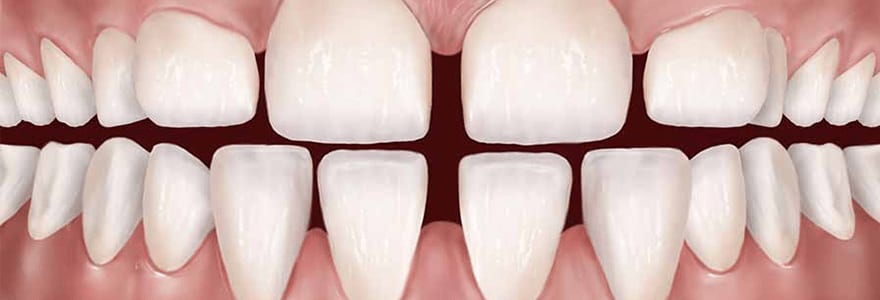
Teeth Bonding for Closing Gaps Between Front Teeth Dental bonding is one of the fastest and most affordable ways to close a gap between your front teeth. Using tooth-coloured composite resin, a licensed dentist can reshape and fill the space in a single appointment — no anaesthesia required in most cases. If you have a gap between your front teeth (clinically known as a diastema) and want a natural-looking result, dental bonding may be the right solution for you. What Is a Diastema (Tooth Gap)? A diastema is a space or gap that appears between two teeth. While it can occur anywhere in the mouth, it is most commonly seen between the two upper front teeth. Gaps can develop due to a variety of reasons, including: Genetics — naturally wider jaw or smaller teeth Gum tissue overgrowth — an oversized labial frenulum pushing teeth apart Childhood habits — prolonged thumb sucking or tongue thrusting Missing or undersized teeth — leaving extra space in the arch Gum disease — causing bone and tissue loss that shifts teeth Many people embrace their gap as part of their smile, but for those who find it affects their confidence, several dental treatments are available — including bonding, porcelain veneers, and Invisalign. What Is Dental Bonding? Dental bonding (also called composite bonding or teeth bonding) is a cosmetic and restorative dental treatment in which a licensed dentist applies a tooth-coloured composite resin material directly to the tooth surface. The resin is sculpted, hardened with a curing light, and polished to blend seamlessly with your surrounding teeth. Bonding is used for a wide range of concerns, including: Closing gaps and spaces between teeth Repairing chipped or cracked teeth Correcting minor tooth discolouration Reshaping uneven or misshapen teeth Protecting exposed tooth roots The composite resin used in bonding is closely matched to your natural tooth shade, making the result look very natural. It is also the same material used in composite white fillings. How Is Dental Bonding Done? Step-by-Step Dental bonding for a gap closure is typically completed in a single visit and does not require drilling or anaesthesia in most situations. Here is what to expect during the procedure: Step 1: Shade Selection Your dentist begins by selecting a composite resin shade that closely matches the natural colour of your teeth, ensuring the final result blends in naturally. Step 2: Tooth Preparation The surface of the tooth is lightly etched with a mild conditioning solution. This roughens the enamel slightly so the bonding material adheres firmly and durably. Step 3: Resin Application The tooth-coloured composite resin is applied to the prepared surface and carefully moulded by hand into the desired shape — filling in the gap and contouring the tooth edge to look natural. Step 4: Curing A special ultraviolet curing light is used to harden the resin quickly, bonding it securely to the tooth structure. Step 5: Finishing and Polishing The bonded area is trimmed, shaped, and polished until it matches the sheen and texture…

Reasons You Have Misaligned Teeth

Why Are My Teeth Misaligned? Common Causes and Treatment Options Misaligned teeth — also called malocclusion — occur when your teeth do not fit together properly, resulting in crowding, spacing, crookedness, or a mismatched bite. Several factors can cause teeth to shift out of alignment, including genetics, childhood habits, and jaw development. The good news is that effective treatment options are available for patients of all ages in Calgary NW. What Causes Misaligned Teeth? Understanding the root cause of your misalignment is the first step toward finding the right treatment. The most common causes include: Genetics: A family history of crowded or spaced teeth is one of the most common reasons for misalignment. If your parents had crooked teeth, there is a higher chance you may as well. Jaw size discrepancy: When the upper and lower jaws are different sizes or not fully developed, teeth may shift, overlap, or become crowded. Childhood oral habits: Prolonged thumb sucking, pacifier use beyond age 3, and extended bottle feeding can alter the development of the jaw and palate, causing teeth to grow in misaligned positions. Jaw injury or trauma: An injury to the jaw can cause it to heal in a misaligned position, affecting how your teeth come together. Ill-fitting dental restorations: Poorly fitted dental crowns, fillings, or other restorations can alter your bite over time and contribute to misalignment. Early tooth loss: Losing baby or adult teeth prematurely can cause neighbouring teeth to drift into the empty space, disrupting alignment. Small jaw relative to tooth size: When teeth are too large for the jaw, they become crowded and may push each other out of position. How Do Misaligned Teeth Affect Your Oral Health? Misaligned teeth are not simply a cosmetic concern — they can have a meaningful impact on your overall oral health. Common problems associated with malocclusion include: Difficulty cleaning teeth: Crowded or overlapping teeth create hard-to-reach areas where plaque and bacteria accumulate, increasing the risk of cavities and gum disease. Gum disease: Poor alignment makes it harder to maintain effective brushing and flossing, which can lead to gingivitis or more advanced periodontal disease. Uneven tooth wear: A misaligned bite places uneven pressure on certain teeth, causing them to wear down faster than others. Jaw pain and TMJ issues: Bite problems can strain the jaw joint, contributing to jaw pain, headaches, or TMJ disorder. Chewing and speaking difficulties: Severely misaligned teeth can interfere with normal chewing function and, in some cases, affect speech clarity. Treatment Options for Misaligned Teeth The right treatment for misaligned teeth depends on the severity of the misalignment and your individual dental needs. At Expressions Dental in Calgary NW, our licensed dental team will assess your teeth, bite, and jaw to recommend the most appropriate solution. Invisalign Clear Aligners For mild to moderate misalignment, Invisalign in Calgary NW is a popular and discreet treatment option. Invisalign uses a series of custom-fitted, clear removable aligners to gradually shift your teeth into the correct position. Because they are nearly…

Gaps Between Teeth: Causes and Solutions

What Causes Gaps Between Teeth — and How Can They Be Fixed? Gaps between teeth, clinically known as diastema, are common in both children and adults. While they are not always harmful, larger gaps can affect your bite, cause discomfort, and make many people feel self-conscious about their smile. The good news is that several effective dental treatments are available to close gaps and restore a well-aligned, confident smile. Causes of Gaps Between Teeth In Children Gaps between a child's teeth are entirely normal and generally not a cause for concern. As permanent adult teeth grow in, they typically fill the available space and close the gap naturally. That said, it is still important for parents to support their child's oral health with regular dental check-ups. Our dental care for children in Calgary team monitors tooth development and spacing as part of every routine visit. In Adults In adults, gaps between teeth are most often caused by a jaw that is proportionally larger than the teeth. When there is more jaw than tooth structure to fill it, the teeth spread out and leave noticeable spaces. While this gap most commonly appears between the upper two front teeth, it can occur anywhere in the mouth. Self-Affecting Habits Certain habits — particularly those that begin in childhood — can contribute to the development of gaps over time. These include: Thumb sucking: Prolonged thumb sucking during childhood places forward pressure on the front teeth, gradually pushing them apart. Tongue thrusting: When the tongue is habitually pushed against the front teeth during swallowing rather than resting against the roof of the mouth, it can slowly force the teeth forward and create spacing. Gum Disease (Periodontal Disease) Untreated gum disease can cause the bone and tissue supporting your teeth to deteriorate. As this support weakens, teeth may shift or loosen, creating or widening gaps. If you notice new spacing developing alongside bleeding or swollen gums, it is important to seek assessment promptly. Our team provides periodontal care to address gum disease before it causes further damage. Missing Teeth When a tooth is lost and not replaced, the surrounding teeth can drift into the empty space over time, creating new gaps or misalignment throughout the arch. Tumour Growths In rare cases, a gap may develop due to abnormal tissue growth within the mouth. Any sudden or unexplained spacing change warrants a timely dental assessment to rule out underlying concerns. Treatment Options for Gaps Between Teeth The most appropriate treatment for a gap between teeth depends on its cause, size, and location. A licensed dental professional will assess your situation and recommend the best approach. Common solutions include: Invisalign (clear aligners): A discreet, removable orthodontic option that gradually shifts teeth into alignment. Invisalign in Calgary NW is a popular choice for adults and teens seeking a non-invasive solution for spacing issues. Porcelain veneers: Thin, custom-crafted shells bonded to the front of teeth to improve their appearance, including closing minor to moderate gaps. Learn more about porcelain veneers…