Is it safe to see the dentist during COVID-19? Yes!

Is It Safe to Visit the Dentist During COVID-19? Yes — visiting the dentist during COVID-19 is safe when proper infection control protocols are followed. Licensed dental clinics across Canada, including those in Calgary NW, have implemented rigorous safety measures to protect both patients and staff. Neglecting your oral health during the pandemic can lead to more serious dental issues that are harder to treat later. Why Oral Health Matters More Than Ever During a Pandemic A healthy mouth contributes directly to overall health. Research consistently shows that poor oral hygiene can increase susceptibility to infections, including respiratory illnesses. Conditions like untreated gum disease, tooth decay, and dental infections can compromise your immune response — making it more important, not less, to keep up with your regular dental care during uncertain times. Routine professional teeth cleaning and check-ups help identify problems early, reducing the need for more complex and urgent treatment down the road. If you're experiencing sudden tooth pain or swelling, don't delay — emergency dental care is available and is carried out under the same strict safety protocols. What Dental Offices Are Doing to Keep You Safe According to public health authorities, there have been no confirmed cases of COVID-19 transmission linked to dental office visits when proper protocols are followed. Licensed dental teams have adapted their practices to meet and exceed infection control standards. Here is what you can expect at a safety-compliant dental clinic: Personal Protective Equipment (PPE): Dentists, hygienists, and assistants wear masks, face shields, gowns, and gloves during all procedures. Enhanced sterilisation: All instruments are sterilised between patients, and high-touch surfaces are disinfected regularly throughout the day. HEPA air filtration and aerosol management: High-efficiency air filtration systems and aerosol reduction strategies minimise airborne risk during treatment. Pre-screening protocols: Patients are screened for symptoms before appointments, either by phone or upon arrival. Physical distancing in waiting areas: Seating arrangements and appointment scheduling have been adjusted to reduce crowding. Contactless check-in where possible: Digital forms and minimal paperwork reduce unnecessary contact. Hand hygiene stations: Sanitiser is available at entry points and throughout the clinic. What You Can Do Before Your Dental Appointment Patients also play an important role in keeping dental visits safe for everyone. Here are a few simple steps you can take: Stay home if you feel unwell. If you have symptoms such as fever, cough, or difficulty breathing, call your dental clinic to reschedule. Arrive on time — not early. This helps manage the number of people in waiting areas at any one time. Wear a mask to your appointment and remove it only when directed by your dental team. Inform the clinic of any recent travel or exposure to confirmed COVID-19 cases. Brush and floss before your visit to support good hygiene practices for your dental team. Don't Let COVID-19 Anxiety Put Your Oral Health on Hold It's understandable to feel hesitant about visiting any healthcare setting during a pandemic. However, postponing dental care often leads to worsening conditions that may require…
The Rising Tooth Decay Rates Amongst Young Canadians

Tooth Decay in Canadian Children Is on the Rise Tooth decay is the most common chronic disease affecting children in Canada, and rates have been climbing after decades of gradual decline. Research published by Toronto Public Health found that decay in five-year-olds rose from approximately 10% in 1999–2000 to 11.6% in 2005–06, with the proportion of children affected by two or more decayed teeth increasing from 9.9% to 14.6% over the same period. For Calgary NW families, understanding what drives this trend — and how to reverse it — is essential for protecting your child's long-term oral health. How Does Tooth Decay Develop in Children? Tooth decay occurs when naturally occurring bacteria in the mouth feed on carbohydrates left on tooth surfaces. These bacteria produce acids that gradually erode tooth enamel, creating cavities over time. Common foods that fuel this process include: Sugary drinks — juice, sports drinks, flavoured milk, and soft drinks Sticky or dried foods — raisins, fruit leathers, and gummy snacks Refined carbohydrates — crackers, white bread, chips, and baked goods Frequent snacking — exposing teeth to acid attacks repeatedly throughout the day When these foods linger on tooth surfaces — particularly in the grooves of back teeth and between teeth — the acid damage accumulates faster than saliva can neutralise it, leading to decay. What Is Driving Higher Decay Rates Among Canadian Children? Several interconnected factors are contributing to worsening childhood oral health across Canada, including in Calgary: Poor Dietary Habits Increased consumption of processed foods, sugary snacks, and sweetened beverages has dramatically raised children's exposure to decay-causing acids. Many parents are unaware that savoury snacks like crackers and chips can be just as harmful as sweets. Reduced Fluoride Exposure Calgary made the decision to remove fluoride from its municipal water supply in 2011, a change that many dental professionals believe has contributed to rising cavity rates in the city. Fluoride strengthens tooth enamel and helps remineralise early-stage decay. Without it in the water, children who do not receive fluoride through other sources — such as fluoride toothpaste or professional fluoride treatments — face a higher risk of cavities. Inconsistent Oral Hygiene Routines Many children do not brush twice daily, do not floss, and are not supervised during brushing until their technique is reliable. Establishing good habits early — ideally from the first tooth — makes a significant difference over time. Infrequent Dental Visits Children should see a licensed dentist every six months for a check-up and professional teeth cleaning. These appointments allow early detection of decay before it progresses, and give families personalised guidance on home care. Missing or delaying these visits means problems go undetected longer. Limited Access to Dental Care Children from lower-income households often face barriers to regular dental care, including cost and lack of insurance coverage. Canada's Canadian Dental Care Plan (CDCP) is helping to address this gap for eligible families. Expressions Dental welcomes patients under this programme — we offer direct billing to make dental care as accessible as possible.…

How to Know You Need Dental Fillings?

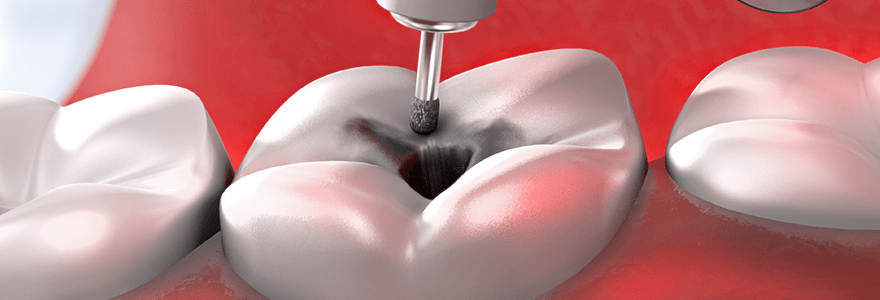
Signs You Need a Dental Filling: What Calgary Patients Should Know A dental filling may be needed when a tooth is affected by decay, damage, or structural loss — and the sooner it is treated, the better the outcome. Common signs include tooth pain, visible holes, sensitivity to hot or cold, and food getting caught between teeth. If you are experiencing any of these symptoms, visiting a licensed dentist in Calgary NW promptly can prevent the problem from progressing into something more serious. What Is a Dental Filling? A dental filling is a restorative procedure used to repair a tooth that has been damaged by decay, fracture, or wear. It rebuilds the tooth's structure and function, stops further deterioration, and helps relieve discomfort. Fillings are one of the most long-standing and commonly performed dental procedures, with origins dating back to the early 1500s. Today, fillings are made from a range of materials to suit different needs and aesthetics: Composite resin — tooth-coloured and bonded directly to the tooth for a natural appearance Amalgam — a durable alloy containing silver, tin, and mercury, used primarily on back teeth Porcelain or ceramic — highly aesthetic and stain-resistant Gold — extremely durable, though less commonly used today At Expressions Dental, we offer composite white fillings that blend seamlessly with your natural tooth colour, as well as dental inlays and onlays for more extensive restorations that require greater coverage and strength. 8 Warning Signs You May Need a Dental Filling Not every cavity causes obvious discomfort right away. Many patients in Calgary NW are unaware they have a problem until a routine check-up reveals hidden decay. Watch for these key warning signs: 1. Throbbing or Sharp Tooth Pain Persistent or sudden tooth pain — whether dull and throbbing or sharp and intense — is one of the clearest signals that something is wrong. This type of pain often indicates decay has reached a sensitive layer of the tooth and should not be ignored. 2. Pain When Biting or Chewing If eating causes discomfort, particularly when biting down or chewing, the tooth may be cracked or decayed. Pressure-related pain warrants a prompt dental assessment to rule out deeper structural damage. 3. Visible Holes or Dark Spots on a Tooth A visible pit, hole, or dark discolouration on the surface of a tooth is a strong visual indicator of decay. Even if there is no pain, these changes should be evaluated by a licensed dentist as soon as possible. 4. Tooth Sensitivity to Temperature or Certain Foods Do hot drinks, cold foods, or sweet and acidic items cause a sharp twinge or lingering discomfort? Sensitivity like this often points to enamel erosion or decay that has exposed the inner layers of the tooth, making a filling necessary to protect the nerve. 5. A Chipped or Fractured Tooth Physical damage to a tooth — whether from an injury, biting on something hard, or general wear — can create openings for bacteria to enter. A filling or, depending…

Embarrassed To Show Teeth When Smiling?

Feeling Self-Conscious About Your Smile? You're Not Alone Many people in Calgary hold back their smile due to stained teeth, gaps, crookedness, or persistent bad breath — and most of those concerns are very treatable. Whether your issue is cosmetic or related to an underlying dental condition, licensed dental professionals can identify the right solution and help you smile with confidence again. Here are five of the most effective options to consider. 1. Teeth Whitening: Remove Stains and Brighten Your Smile Tooth discolouration is one of the most common reasons people feel embarrassed to smile. Fortunately, professional teeth whitening is one of the fastest and most affordable ways to restore a brighter appearance. In-office whitening: Zoom teeth whitening in Calgary NW delivers dramatic results in a single appointment, with teeth often several shades lighter in under an hour. Take-home whitening trays: Prefer to whiten at your own pace? Custom take-home whitening trays are made to fit your teeth precisely, offering a comfortable and effective alternative to in-office treatment. Both options use professional-strength whitening agents that are significantly more effective than over-the-counter products. Your dentist will help you choose the approach that fits your lifestyle and sensitivity levels. 2. Braces and Invisalign: Straighten Crooked or Misaligned Teeth Many adults never received orthodontic care growing up and still live with crooked or crowded teeth as a result. Today, straightening your teeth as an adult is more accessible — and discreet — than ever before. Traditional braces remain an effective option for moderate to complex alignment issues. Invisalign: Invisalign in Calgary NW uses a series of clear, removable aligners to gradually shift teeth into position — with no metal brackets or wires. Many patients prefer this option for its nearly invisible appearance and comfort. A consultation with a licensed dentist will help determine which orthodontic approach is best suited to your teeth and goals. 3. Bad Breath Treatment: Addressing the Root Cause Bad breath — clinically known as halitosis — affects a significant number of people, and many are unaware they have it. It can be a source of deep social anxiety and is often a sign that something dental or medical needs attention. Common causes of bad breath include: Gum disease (periodontal disease) Tooth decay or untreated cavities Dry mouth Certain foods, medications, or lifestyle habits Underlying systemic conditions Treatment depends on the cause. Your dental team may recommend periodontal care, a filling, root canal treatment, dietary guidance, or a referral to a specialist. The important thing to know is that bad breath is treatable — and it doesn't have to hold you back from smiling. 4. Porcelain Veneers: Transform the Look of Your Teeth If you're looking to address multiple cosmetic concerns at once — whether that's gaps, chips, cracks, discolouration, or uneven teeth — porcelain veneers in Calgary NW may be the ideal solution. Veneers are thin, custom-made shells of porcelain that are bonded to the front surface of your teeth. They can: Close gaps between teeth Cover chips, cracks,…