
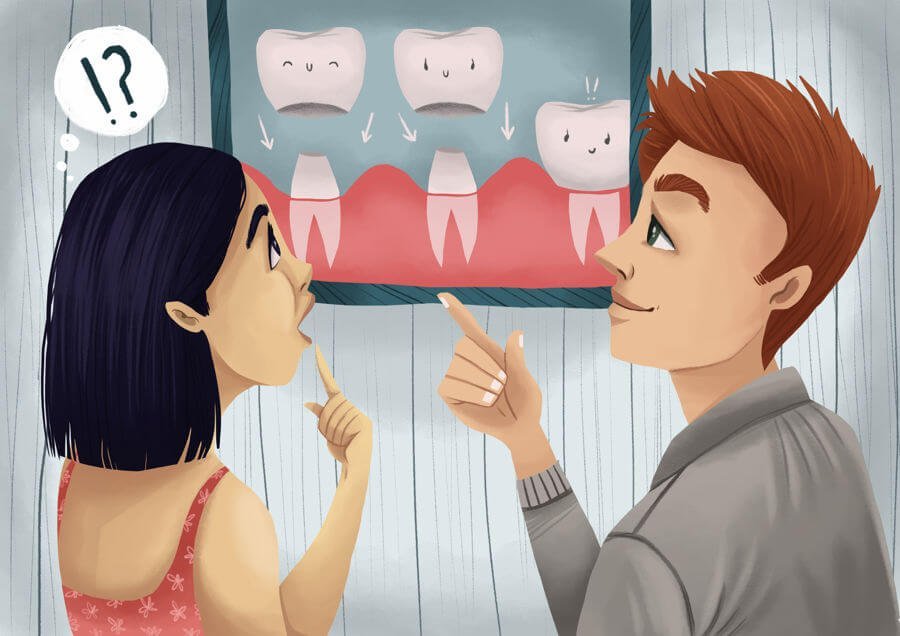
When Does Your Tooth Need a Dental Crown?
A dental crown is a tooth-shaped cap that is placed over a damaged tooth to restore its shape, size, strength, and appearance. Your dentist may recommend a crown when a tooth is too damaged for a filling alone to be effective. Understanding the signs that a crown may be needed can help you make informed decisions about your dental care.
What Is a Dental Crown?
A dental crown fits snugly over your natural tooth, covering it entirely above the gum line. It functions just like a natural tooth (allowing you to bite, chew, and speak comfortably) while protecting the damaged tooth underneath. Crowns can also improve the cosmetic appearance of a tooth that is discoloured or misshapen.
Common Reasons You May Need a Dental Crown
There are several situations in which a licensed dentist may recommend a dental crown. The most common include:
- Severe tooth decay: When a cavity is too large to be repaired with a composite white filling, a crown provides the structural support the tooth needs.
- Cracked or fractured tooth: A crown holds the pieces of a cracked tooth together, preventing further damage and reducing pain when chewing.
- Worn-down tooth: Teeth that have been worn down from grinding (bruxism) or acid erosion may need a crown to restore their height and function.
- Weakened tooth: A tooth that has been weakened by decay or a large existing filling may require a crown to prevent it from breaking.
- After root canal treatment: Teeth that have undergone root canal treatment become more brittle over time. A crown is typically placed over the treated tooth to protect it from fracture.
- Discoloured or misshapen tooth: When cosmetic concerns cannot be adequately addressed with whitening or veneers, a crown can restore a natural, uniform appearance.
- As part of a dental bridge: Crowns are placed on the teeth on either side of a gap to anchor a dental bridge, which fills the space left by one or more missing teeth.
What Are Dental Crowns Made Of?
Dental crowns can be made from several different materials, and the right choice depends on where the tooth is located in your mouth, your bite, and your aesthetic preferences. Common materials include:
- All-ceramic or all-porcelain: These crowns offer the most natural-looking result and are an excellent choice for front teeth. They are tooth-coloured and blend seamlessly with surrounding teeth.
- Porcelain fused to metal (PFM): These crowns combine the strength of a metal substructure with a porcelain outer layer for a more natural appearance than full metal crowns.
- Metal alloys: Gold and other metal alloy crowns are extremely durable and are often recommended for back teeth where chewing forces are greatest, though they are less aesthetically pleasing.
- Zirconia: A newer ceramic material that is both highly durable and tooth-coloured, making it a popular option for both front and back teeth.
At Expressions Dental in Calgary NW, our licensed dental team will help you choose the most appropriate crown material based on your clinical needs and cosmetic goals.
How Is a Dental Crown Placed?
The crown placement process typically involves two appointments:
First Appointment: Tooth Preparation
Your dentist will begin by assessing the condition of the tooth and taking X-rays if needed. The tooth is then reshaped by removing a small, precise amount of enamel from all sides. This creates the necessary space for the crown to fit comfortably over the tooth without affecting your bite. An impression or digital scan of the prepared tooth is taken and sent to a dental laboratory where your permanent crown is custom-made. A temporary crown is placed to protect the tooth in the meantime.
Second Appointment: Crown Placement
Once your permanent crown is ready, usually within one to two weeks, the temporary crown is removed. Your dentist will check the fit, shape, and colour of the permanent crown before bonding or cementing it securely in place. Any minor adjustments are made to ensure your bite feels natural and comfortable.
How Long Does a Dental Crown Last?
With proper care, dental crowns typically last between 10 and 15 years, and in many cases significantly longer. To extend the life of your crown, maintain a consistent oral hygiene routine, attend regular dental hygiene appointments, and wear a nightguard if you grind your teeth.
What Happens If You Delay Getting a Crown?
Delaying a recommended crown can allow the underlying tooth to deteriorate further. A cracked tooth left untreated may eventually split entirely, making extraction necessary. If you are experiencing tooth pain, sensitivity, or a visibly damaged tooth, it is important to seek care promptly. If you are in Calgary NW and need urgent attention, emergency dental care is available at Expressions Dental.
Book Your Dental Crown Consultation in Calgary NW
If you think you may need a dental crown, or if your dentist has already recommended one, the experienced team at Expressions Dental in Calgary NW is here to help. We offer a full range of restorative and preventive dental services for patients of all ages. New patients are welcome, and we offer flexible scheduling to suit your lifestyle.
Contact Expressions Dental today to book a consultation and find out whether a dental crown is the right solution for your tooth. Visit us at expressionsdental.ca to learn more or to request an appointment.
Frequently Asked Questions
When does a tooth need a crown instead of a filling?
A crown is typically recommended when a tooth has too much damage for a filling to restore it effectively. This includes teeth with large cavities, significant cracks, or structural weakness after a root canal. Your dentist will assess the extent of the damage and recommend the most appropriate treatment.
Is getting a dental crown painful?
The crown placement procedure is carried out under local anaesthetic, so you should not feel pain during the appointment. Some sensitivity or mild discomfort around the treated tooth is normal for a few days afterwards. If pain persists or worsens, contact your dental clinic promptly.
How long does a dental crown last?
Most dental crowns last between 10 and 15 years with proper care, and many last considerably longer. The lifespan of a crown depends on the material used, where it is placed in the mouth, your oral hygiene habits, and whether you grind your teeth. Regular dental hygiene visits help extend the life of your crown.
What is the difference between a dental crown and a dental bridge?
A dental crown covers a single damaged tooth, while a dental bridge is used to replace one or more missing teeth. A bridge is anchored in place by crowns fitted over the natural teeth on either side of the gap. Both are fixed restorations, meaning they are cemented in place and not removed like dentures.
Can a dental crown be placed on any tooth?
Yes, crowns can be placed on any tooth, front or back, though the material chosen may differ depending on the location. Tooth-coloured ceramic or zirconia crowns are commonly used on visible front teeth, while more durable materials may be recommended for back teeth that endure greater chewing forces.
Do I still need a crown after a root canal?
In most cases, yes. A tooth that has had root canal treatment loses moisture over time and becomes more brittle, making it vulnerable to cracking. A crown placed over the treated tooth provides essential protection and restores full function. Your dentist will advise whether a crown is required based on how much natural tooth structure remains.
How do I care for a dental crown?
Care for a dental crown just as you would your natural teeth. Brush twice daily, floss carefully around the crown, and attend regular professional cleanings. Avoid chewing on hard items like ice or hard candies, and let your dentist know if you grind your teeth, as a nightguard may be recommended to protect your crown.
