
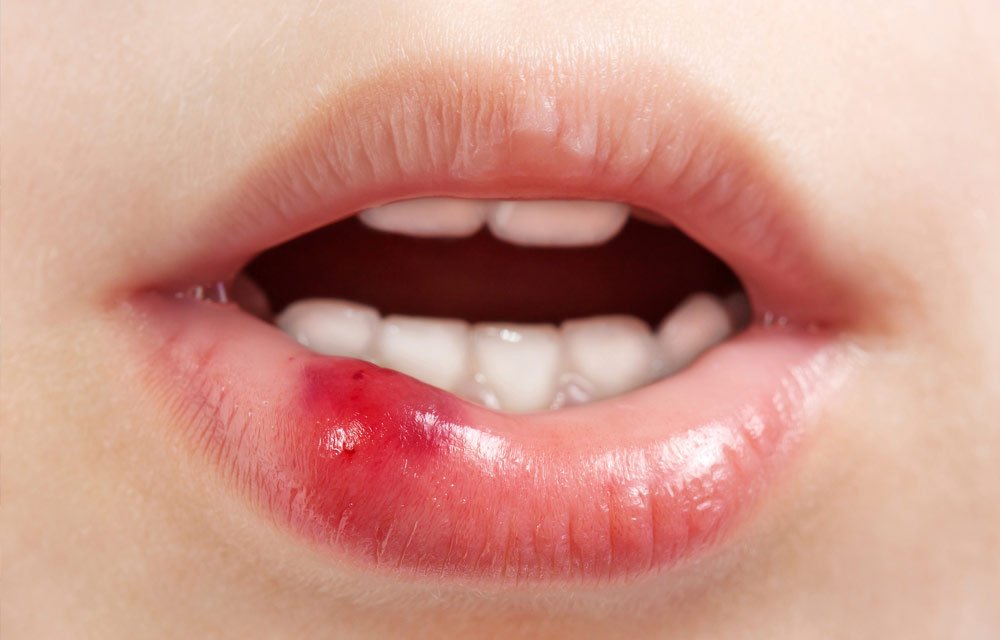
What to Do When Dental Soft Tissue Is Injured
A soft tissue mouth injury — such as a cut or laceration to the lips, gums, tongue, or cheeks — is a dental emergency that requires prompt attention. Because the head and neck contain a high concentration of blood vessels, even a small wound inside the mouth can bleed significantly. Knowing how to respond quickly can reduce pain, prevent infection, and protect your overall oral health.
What Is a Soft Tissue Mouth Injury?
In dental terms, a soft tissue laceration refers to any injury that damages the delicate tissues inside or around the mouth. These tissues are rich in nerves and blood vessels, which is why injuries to them are often painful and may bleed more than expected.
Common areas affected include:
- The lips
- The gums
- The tongue
- The inner cheeks
- The roof of the mouth (palate)
- The back of the throat or tonsil area
Soft tissue injuries can occur during everyday activities — eating, exercising, playing sports, or an accidental fall. Regardless of the cause, these injuries should never be ignored.
Immediate First Aid for Soft Tissue Mouth Injuries
If you or someone in your household sustains a soft tissue mouth injury, follow these steps while arranging care with a dental or medical professional:
1. Control the Bleeding
Rinse your mouth gently with mild salt water to clean the wound. Then apply firm, direct pressure to the injured area using a clean cloth, sterile gauze, or a moistened tea bag. Maintain pressure for 15 to 20 minutes without lifting to allow clotting to begin. Avoid rinsing vigorously, as this can dislodge the forming clot.
2. Apply a Cold Compress
Place a cold compress or ice pack wrapped in a cloth against the outside of the face near the injured area. This helps reduce swelling and temporarily eases pain. Apply for 10 minutes on, 10 minutes off.
3. Manage Pain
Over-the-counter pain relief such as acetaminophen (Tylenol) can help manage discomfort. Avoid aspirin, as it may thin the blood and worsen bleeding.
4. Seek Professional Care Promptly
If bleeding does not slow after 15 to 20 minutes of sustained pressure, the wound is deep or gaping, or you are in severe pain, seek emergency dental or medical care immediately. Do not wait to see if it resolves on its own.
If you are in the Calgary NW area, our team at Expressions Dental provides emergency dental care and walk-in dental appointments for urgent situations. You can also visit our emergency dentist page for guidance on what to do next.
When to Go to a Hospital Emergency Department
Some soft tissue mouth injuries require hospital-level care rather than a dental visit. Go to the nearest emergency department or call 911 if:
- Bleeding is heavy and cannot be controlled after 20 minutes of pressure
- The injury involves a large, deep, or jagged laceration
- The airway is affected or swallowing is difficult
- The injury is the result of significant trauma (e.g., a vehicle collision or a serious fall)
- The injured person is unconscious or showing signs of shock
A Special Note for Parents: Children and Mouth Injuries
Children are particularly vulnerable to a specific type of soft tissue injury: puncture wounds to the back of the throat or soft palate, caused by falling while holding a pointed object — such as a pencil, straw, or ice lolly stick — in their mouth. These injuries may look minor on the surface but can involve deeper structures that are not immediately visible.
If your child sustains this type of injury, seek emergency care immediately — either from a dental professional or at the nearest hospital emergency department. Do not wait for symptoms to worsen.
At Expressions Dental, we offer dedicated dental care for children in Calgary, including urgent assessments for families in the NW community.
How Are Soft Tissue Injuries Treated by a Dentist?
Treatment depends on the severity and location of the injury. Your dentist may:
- Clean and irrigate the wound to remove debris and reduce infection risk
- Apply sutures (stitches) to close a deep or gaping laceration
- Prescribe antibiotics or a medicated rinse to prevent infection
- Recommend pain management and post-care instructions
- Arrange follow-up appointments to monitor healing
In some cases, a referral to an oral surgeon or hospital may be needed for injuries that are too complex to manage in a general dental setting.
How to Reduce the Risk of Soft Tissue Mouth Injuries
While accidents cannot always be prevented, there are practical steps you can take to lower the risk:
- Wear a custom-fitted mouthguard during contact sports or recreational activities
- Supervise young children when they have objects in or near their mouths
- Avoid walking or running with utensils, straws, or sharp objects in your mouth
- Keep your gum tissue healthy through regular professional cleanings — healthy tissue heals more effectively
Regular dental visits also allow your dental team to identify areas of concern — such as fragile gum tissue — before they become a problem. Maintaining good periodontal health is an important part of your body’s natural ability to heal from soft tissue injuries.
Get Prompt Care at Expressions Dental in Calgary NW
A soft tissue mouth injury should never be left untreated. Whether you are dealing with a cut lip, a bitten tongue, or a more complex laceration, the licensed dental team at Expressions Dental is here to help. We welcome walk-in patients and offer emergency appointments to ensure Calgary NW families receive the care they need — when they need it most.
Contact Expressions Dental today or visit our clinic in Calgary NW. Your comfort and safety are always our priority.
Frequently Asked Questions
Is a cut inside my mouth a dental emergency?
Yes, a cut or laceration inside the mouth — including to the lips, gums, tongue, or cheeks — should be treated as a dental emergency. Because the mouth has a rich blood supply, even small wounds can bleed heavily. If bleeding does not stop within 15 to 20 minutes of sustained pressure, seek professional care immediately.
What should I do if my mouth won't stop bleeding after an injury?
Apply firm, continuous pressure to the wound using clean gauze or a cloth for at least 15 to 20 minutes without lifting. Avoid rinsing vigorously, as this disrupts clot formation. If bleeding continues beyond 20 minutes, visit an emergency dentist or hospital emergency department right away.
When should I go to the hospital instead of a dentist for a mouth injury?
Go to a hospital emergency department if the bleeding is uncontrollable, the laceration is large or deep, the injury affects your airway or ability to swallow, or the trauma was caused by a serious accident. For less severe injuries, an emergency dentist can often provide the necessary care more quickly.
My child fell with a straw in their mouth — do I need to see a dentist?
Yes — this type of injury requires immediate assessment, even if the wound appears minor. Puncture wounds to the back of the throat or soft palate can involve deeper structures that are not visible from the surface. Take your child to an emergency dentist or hospital emergency department without delay.
Can a mouth cut get infected?
Yes, the mouth contains bacteria, which means untreated lacerations carry a risk of infection. Signs of infection include increasing pain, swelling, redness, discharge, or fever. A dentist may prescribe antibiotics or a medicated rinse to prevent infection following a soft tissue injury.
How long does it take for a soft tissue mouth injury to heal?
Minor cuts inside the mouth often heal within seven to ten days, as oral tissue has a strong blood supply and heals relatively quickly. Deeper lacerations that require stitches may take two to three weeks. Your dentist will provide specific aftercare instructions and may schedule a follow-up appointment to monitor healing.
Does Expressions Dental in Calgary NW treat dental emergencies?
Yes. Expressions Dental offers emergency dental care and walk-in appointments for patients in Calgary NW who require prompt attention for mouth injuries and other urgent dental concerns. Contact our clinic directly or visit our emergency dentist page for more information.