
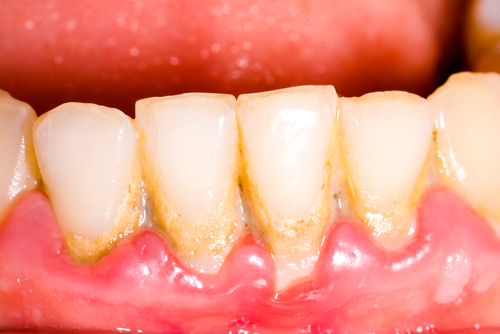
How to Prevent Tartar Buildup on Your Teeth
Tartar buildup is one of the most common and preventable causes of cavities and gum disease. It forms when dental plaque — a soft film of bacteria — is not removed from teeth and hardens within 24 to 72 hours. Once tartar develops, only a licensed dental hygienist or dentist can safely remove it, making consistent daily habits and regular professional cleanings essential.
What Is Tartar and Why Does It Form?
Plaque is a sticky, colourless film of bacteria that forms continuously on your teeth and along your gum line. When plaque is not removed through brushing and flossing, it absorbs minerals from your saliva and hardens into tartar (also called calculus). This process can begin in as little as 24 hours and is complete within 72 hours.
Once tartar has formed, it creates a rough surface that makes it even easier for more plaque to accumulate — starting a cycle that puts your teeth and gums at risk. Tartar that develops below the gum line is particularly harmful, as it irritates gum tissue and can lead to periodontal (gum) disease if left untreated.
8 Proven Tips to Prevent Tartar Buildup
1. Brush Thoroughly Twice a Day
Brush your teeth for at least two minutes, twice daily, using a soft-bristled toothbrush. Focus on the gum line, the backs of your teeth, and other hard-to-reach areas where plaque tends to hide. An electric toothbrush can significantly improve plaque removal compared to a manual brush.
2. Floss Every Day Without Fail
Flossing removes plaque and food particles from between your teeth and just below the gum line — areas your toothbrush simply cannot reach. Even if you brush perfectly, skipping flossing leaves up to 35% of your tooth surfaces unclean. Use traditional floss, floss picks, or a water flosser — consistency matters more than the tool you choose.
3. Use a Tartar-Control Toothpaste
Look for a toothpaste that is specifically labelled tartar-control and contains fluoride. These formulas include active ingredients such as pyrophosphates or zinc citrate that help slow mineral deposits from hardening into tartar. Using fluoride toothpaste also strengthens enamel and reduces your overall cavity risk.
4. Rinse With an Antibacterial Mouthwash
Adding an antibacterial or antiseptic mouthwash to your daily routine can reduce the bacterial load in your mouth and help slow plaque formation. Look for products containing chlorhexidine or cetylpyridinium chloride if recommended by your dental provider. A fluoride mouthwash used at a separate time from brushing can also help protect against decay.
5. Watch Your Diet
The bacteria in plaque feed on sugary and starchy foods, producing acids that accelerate plaque development and tartar formation. Limiting sweets, soft drinks, and processed carbohydrates — and rinsing with water after meals — can meaningfully reduce the speed at which plaque accumulates. Crunchy vegetables like carrots and celery also act as natural tooth-scrubbers.
6. Stay Hydrated and Encourage Saliva Production
Saliva is your mouth’s natural defence against plaque. It neutralises acids, washes away food particles, and delivers minerals that protect enamel. Drinking plenty of water throughout the day — particularly fluoridated tap water — helps keep your mouth clean between meals. If you experience dry mouth, speak with your dentist, as this condition significantly increases tartar risk.
7. Avoid Smoking and Tobacco Products
Tobacco use is one of the strongest risk factors for rapid tartar buildup and gum disease. Smokers tend to accumulate tartar faster than non-smokers, and tobacco products also reduce saliva flow and impair the body’s ability to fight gum infections. Quitting or reducing tobacco use will have an immediate positive impact on your oral health.
8. Schedule Regular Professional Teeth Cleanings
No matter how diligent your home care routine, professional cleanings are the only way to safely remove tartar once it has hardened. Most patients benefit from a professional cleaning every six months, though those with a history of gum disease or heavy tartar buildup may need more frequent visits. Our licensed dental hygienists in Calgary NW use advanced techniques — including Guided Biofilm Therapy (GBT) — to thoroughly remove plaque, tartar, and biofilm from all tooth surfaces. Learn more about our professional teeth cleaning services in Calgary.
What Happens If Tartar Is Left Untreated?
Untreated tartar buildup does not simply stay in one place — it progresses. Over time, it can lead to:
- Gingivitis — the earliest stage of gum disease, characterised by red, swollen, and bleeding gums
- Periodontitis — advanced gum disease that can cause bone and tooth loss
- Cavities — the rough surface of tartar makes it easier for decay-causing bacteria to thrive
- Tooth sensitivity — as gum tissue recedes due to tartar irritation
- Bad breath (halitosis) — caused by the bacteria living within tartar deposits
If you are experiencing signs of gum disease, our team offers dedicated periodontal care to help restore your gum health before further damage occurs.
How Often Should You See a Dental Hygienist?
For most adults in Calgary NW, visiting a registered dental hygienist every six months is the recommended standard. However, your dentist may advise more frequent visits if you have:
- A history of gum disease or periodontal treatment
- Heavy tartar buildup between appointments
- Diabetes or other systemic conditions that affect gum health
- Dry mouth or reduced saliva flow
- Orthodontic appliances such as braces or Invisalign aligners
Your hygiene appointment interval should be based on your individual risk profile — not a one-size-fits-all schedule.
Tartar Prevention Starts at Home — and Continues at Your Dentist
Preventing tartar is a partnership between your daily oral care habits and the professional support of your dental team. The most effective approach combines thorough twice-daily brushing, daily flossing, a balanced diet, and regular professional cleanings. Small, consistent habits make a significant difference over time.
If you are due for a cleaning or have concerns about tartar or gum health, the experienced team at Expressions Dental in Calgary NW is ready to help. We welcome new patients, offer direct billing to most insurance plans, and provide a comfortable, thorough experience at every visit. Book your professional teeth cleaning today and take the next step toward a healthier smile.
Frequently Asked Questions
What is the difference between plaque and tartar?
Plaque is a soft, sticky film of bacteria that forms on your teeth throughout the day and can be removed with regular brushing and flossing. Tartar (also called calculus) is what plaque becomes when it is not removed — it hardens within 24 to 72 hours after absorbing minerals from your saliva. Unlike plaque, tartar cannot be removed at home and requires professional removal by a licensed dental hygienist or dentist.
How quickly does tartar form on teeth?
Plaque can begin hardening into tartar in as little as 24 hours, and the process is typically complete within 72 hours. This is why consistent daily brushing and flossing — not just occasional cleaning — is so important for keeping tartar from developing in the first place.
Can I remove tartar at home?
No. Once plaque has hardened into tartar, it bonds firmly to tooth enamel and cannot be removed with a toothbrush, floss, or any over-the-counter product. Only a licensed dental hygienist or dentist using professional instruments can safely remove tartar without damaging your teeth or gums. Attempting to scrape it yourself can cause injury to your gum tissue.
How often should I get a professional teeth cleaning to prevent tartar buildup?
Most dental professionals recommend a cleaning every six months for patients with average tartar accumulation and good gum health. However, some patients — particularly those with a history of gum disease, dry mouth, or heavy buildup — may benefit from cleanings every three to four months. Your dentist or hygienist at Expressions Dental Calgary will recommend the schedule that is right for you.
Does diet affect how fast tartar builds up?
Yes, significantly. Bacteria in your mouth feed on sugary and starchy foods, producing acids and accelerating plaque formation. The faster plaque accumulates, the more quickly it can harden into tartar. Limiting sweets, soft drinks, and refined carbohydrates — and rinsing with water after eating — can help slow this process considerably.
What toothpaste is best for preventing tartar?
A fluoride toothpaste labelled as tartar-control is the most effective choice for most people. These products contain active ingredients such as pyrophosphates or zinc citrate, which help prevent plaque from mineralising into tartar. Your dental hygienist can recommend a specific product based on your individual needs and risk level.
Is tartar buildup linked to bad breath?
Yes. Tartar provides a rough, porous surface where odour-causing bacteria thrive. The bacteria living within tartar deposits produce sulphur compounds that contribute to persistent bad breath (halitosis). Addressing tartar through regular professional cleanings and good home care is one of the most effective ways to improve breath freshness long-term.