
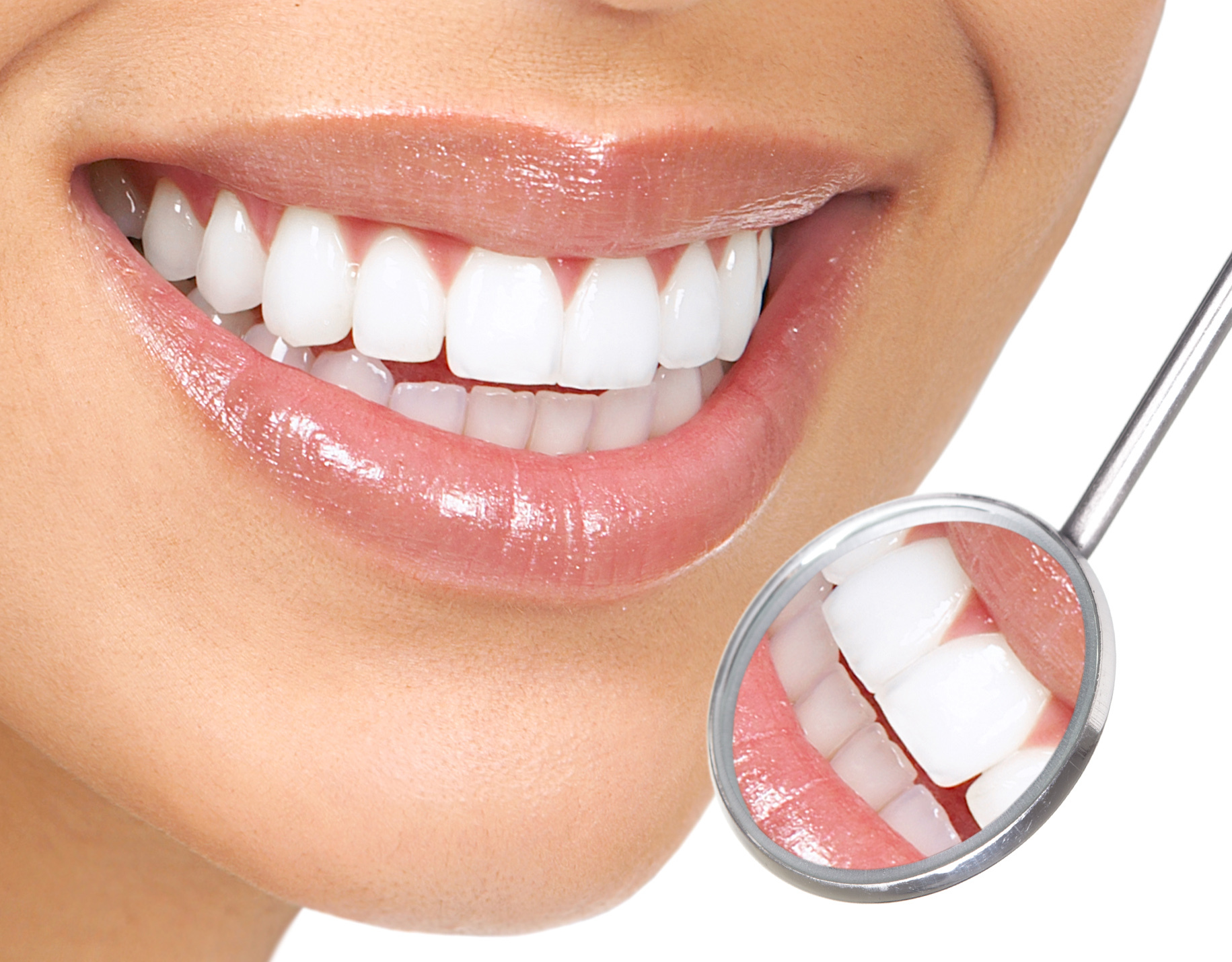
Tips for a Healthy Mouth: What Every Calgary Patient Should Know
Maintaining a healthy mouth comes down to a few consistent daily habits — brushing twice daily with fluoride toothpaste, flossing every day, eating a balanced diet, and attending regular dental check-ups. These straightforward steps can prevent the majority of common dental problems, including tooth decay, gum disease, and bad breath. Whether you are new to Calgary NW or have lived here for years, these evidence-based tips will help you protect your smile for life.
Following the right oral hygiene routine doesn’t just keep your teeth clean — it can save you significant time, money, and discomfort by preventing dental issues before they start.
1. Brush and Floss Every Day
Brushing your teeth at least twice a day — once in the morning and once before bed — is the foundation of good oral health. Use a soft-bristled toothbrush and a fluoride toothpaste, and brush for a full two minutes each time. Replace your toothbrush every three to four months, or sooner if the bristles are frayed.
Flossing daily is equally important. It removes plaque and food particles from between your teeth and along the gumline — areas your toothbrush simply cannot reach. If traditional floss is difficult to use, interdental brushes or water flossers are excellent alternatives.
2. Maintain a Tooth-Friendly Diet
What you eat and drink has a direct impact on the health of your teeth and gums. A balanced diet supports strong enamel and helps your body fight infection in the gum tissue.
Foods That Support Oral Health
- Fruits and vegetables: High in fibre and water content, these help stimulate saliva and naturally clean teeth.
- Whole grains: Choose wholegrain bread, rice, and pasta over refined versions where possible.
- Protein sources: Meat, fish, eggs, beans, and legumes support tissue repair and immune function.
- Dairy foods: Milk, cheese, and yoghurt are rich in calcium and casein, which help strengthen tooth enamel. Choose lower-fat options where suitable.
3. Reduce Sugar in Your Diet
Limiting the amount of sugar you eat and drink is one of the most effective ways to prevent tooth decay. Sugar feeds the bacteria in your mouth that produce acids — and it is these acids that erode enamel and cause cavities.
Common sources of hidden sugar include:
- Sweets, chocolates, and lollies
- Sugary soft drinks and energy drinks
- Fruit juices and smoothies
- Flavoured syrups and condiments
A note on fruit juice: When fruit is juiced or blended, the natural sugars are released from the fruit’s cellular structure. Once free, these sugars can damage your enamel just as readily as added sugars — particularly with frequent consumption. If you enjoy fruit juice, drink it with meals rather than sipping it throughout the day, and rinse with water afterwards.
4. Quit Smoking
Tobacco use — whether cigarettes, cigars, or chewing tobacco — is one of the most damaging things you can do to your oral health. Smoking can cause:
- Yellow or brown tooth staining
- Persistent bad breath (halitosis)
- Increased risk of gum disease and periodontal issues
- Slower healing after dental procedures
- Significantly higher risk of oral cancer
Quitting smoking is one of the best decisions you can make for both your oral and overall health. Your Calgary NW dental team can provide guidance and support resources to help you on that journey.
5. Attend Regular Dental Check-Ups and Cleanings
Even the most diligent brusher and flosser benefits from professional dental care. Routine check-ups allow your dentist to detect early signs of decay, gum disease, and other concerns before they develop into more serious — and more costly — problems.
Most adults should visit the dentist every six months. During these appointments, your dental hygienist will perform a professional teeth cleaning in Calgary to remove tartar build-up that cannot be eliminated with brushing alone. Digital X-rays may also be taken periodically to identify issues that are not visible to the naked eye.
6. Protect Your Gums
Healthy teeth depend on healthy gums. Gum disease (gingivitis and periodontitis) is a leading cause of tooth loss in adults, yet it is largely preventable with consistent home care and professional treatment. Signs of gum trouble include redness, swelling, bleeding when you brush or floss, and persistent bad breath.
If you notice any of these symptoms, it is important to book an appointment with your dental team promptly. Early-stage gum disease can often be reversed with improved hygiene and a professional clean. More advanced cases may require periodontal care.
7. Care for Your Children’s Teeth From an Early Age
Good oral hygiene habits are best established in childhood. Begin cleaning your baby’s gums before teeth even erupt, and start brushing as soon as the first tooth appears. Children should have their first dental visit by their first birthday or within six months of their first tooth coming through.
At Expressions Dental, we offer dedicated dental care for children in Calgary in a welcoming, gentle environment designed to make young patients feel comfortable and confident at every visit.
8. Address Dental Problems Promptly
If you experience a toothache, broken tooth, lost filling, or other sudden dental concern, do not wait. Delaying treatment often allows problems to worsen — and what might have been a simple filling can become a more complex and expensive procedure. Our family dental care team in Calgary NW is here to help with both routine and urgent needs.
Book Your Next Dental Visit at Expressions Dental Calgary
Protecting your smile starts with the right daily habits — but it also means partnering with a dental team you can trust. At Expressions Dental in Calgary NW, our licensed and experienced team provides comprehensive care for patients of all ages, from preventive check-ups to restorative and cosmetic treatments.
Ready to take the next step toward better oral health? New patients are always welcome at our Calgary NW clinic. Contact us today to book your appointment.
Frequently Asked Questions
How often should I brush and floss my teeth?
You should brush your teeth at least twice a day — morning and night — using fluoride toothpaste for two minutes each time. Flossing should be done at least once a day, ideally before bed, to remove plaque and food debris from between your teeth and along the gumline where your toothbrush cannot reach.
How much sugar is safe to eat without harming my teeth?
There is no completely "safe" amount of sugar for your teeth, but limiting both the quantity and frequency of sugar consumption makes a significant difference. The more often your teeth are exposed to sugar throughout the day, the more time bacteria have to produce enamel-eroding acids. Reducing sugary snacks and drinks between meals — and rinsing with water after consuming them — helps protect your enamel.
Is fruit juice bad for my teeth?
Fruit juice can be harmful to teeth because blending or juicing fruit releases the natural sugars from the fruit's structure, allowing them to come into direct contact with your enamel. Drinking fruit juice frequently throughout the day — especially without rinsing with water — increases your risk of tooth decay. It is best enjoyed in small amounts with meals rather than sipped continuously.
Can smoking really cause that much damage to my teeth and gums?
Yes — tobacco use is one of the leading risk factors for serious oral health problems. Smoking can cause tooth staining, persistent bad breath, a significantly elevated risk of gum disease, and a higher likelihood of developing oral cancer. Smokers also tend to heal more slowly after dental procedures. Quitting smoking improves your oral health outcomes considerably, even after years of use.
How often should I visit my dentist in Calgary NW for check-ups?
Most adults benefit from a dental check-up and professional cleaning every six months. However, your dentist may recommend more frequent visits if you have a history of gum disease, decay, or other ongoing oral health concerns. Regular visits allow your team to catch small issues early — before they require more extensive treatment.
What are the early signs of gum disease I should watch for?
Early signs of gum disease include red, swollen, or tender gums, bleeding when you brush or floss, persistent bad breath, and gums that appear to be pulling away from your teeth. If you notice any of these symptoms, book an appointment with your dental team in Calgary NW as soon as possible. Gingivitis — the earliest stage of gum disease — can often be reversed with a professional cleaning and improved home care.
At what age should my child first see a dentist?
Canadian dental guidelines recommend that children have their first dental visit by their first birthday or within six months of their first tooth appearing — whichever comes first. Early visits help establish good habits, allow the dentist to monitor development, and ensure your child becomes comfortable in the dental environment from a young age.