
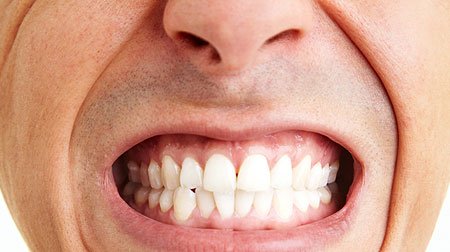
What Is Teeth Grinding (Bruxism)?
Teeth grinding, clinically known as bruxism, is the involuntary clenching, grinding, or gnashing of teeth that can cause serious dental damage if left untreated. It can occur during sleep (sleep bruxism) or while you are awake, and it affects both children and adults. With early intervention from a licensed dentist, bruxism is very manageable and further damage can be prevented.
If you suspect you grind your teeth, or someone has noticed the sounds at night, it is important to seek a dental assessment as soon as possible. Protecting your enamel, jaw joint, and existing dental work early makes treatment more straightforward and less costly in the long run.
Common Effects of Teeth Grinding
Bruxism places significant and repeated force on your teeth and jaw. Even if you are unaware it is happening, the effects accumulate over time. Common consequences include:
- Cracked or worn tooth enamel: grinding gradually wears away the protective outer layer of your teeth
- Broken teeth or damaged restorations: fillings, dental crowns, and other dental work can fracture under sustained pressure
- Jaw joint strain: the temporomandibular joint (TMJ) absorbs the brunt of chronic clenching, leading to dysfunction
- Jaw pain or limited jaw movement: soreness and stiffness are common, particularly first thing in the morning
- Tooth sensitivity: enamel erosion exposes the inner dentine layer, increasing sensitivity to hot, cold, and sweet foods
- Headaches and facial muscle pain: the muscles used for clenching become fatigued and inflamed
- Tooth loss (in severe, long-term cases): rare, but possible without appropriate treatment
If you are experiencing jaw clicking, jaw pain, or morning headaches, you may also benefit from a TMJ assessment at our Calgary NW clinic, as bruxism and TMJ disorders are closely linked.
What Causes Teeth Grinding?
There is no single cause of bruxism. In most cases, a combination of physical, psychological, and lifestyle factors contribute to the condition. Common causes and risk factors include:
- Stress and anxiety: one of the most widely recognised triggers, particularly for awake bruxism
- Sleep disorders: sleep apnoea and other sleep disturbances are strongly associated with sleep bruxism
- Bite misalignment: an uneven bite or misaligned teeth can cause the jaw to grind as it seeks a comfortable resting position
- Certain medications: some antidepressants and stimulant medications list bruxism as a side effect
- Caffeine and alcohol consumption: high intake of either can increase the likelihood of grinding
- Genetics: bruxism can run in families
- Age: bruxism is common in children but often resolves naturally; in adults, it tends to persist without intervention
How Is Bruxism Diagnosed?
A licensed dentist can identify signs of bruxism during a routine dental examination. Your dentist will look for telltale wear patterns on the biting surfaces of your teeth, assess the health of your jaw joint, examine your gum line, and ask about any symptoms such as jaw soreness or disrupted sleep. Digital X-rays may also be used to evaluate the extent of any structural changes to your teeth or bone.
Because many people grind their teeth during sleep without knowing it, regular dental check-ups are one of the most reliable ways to catch bruxism early, before damage becomes severe.
How to Stop Teeth Grinding: Treatment Options
Treatment for bruxism is tailored to the underlying cause and the degree of damage already present. Your Calgary NW dentist at Expressions Dental may recommend one or more of the following approaches:
Custom Night Guards
A custom-fitted night guard (occlusal splint) is the most common and effective first-line treatment for sleep bruxism. Worn over your upper or lower teeth during sleep, the guard creates a protective barrier that absorbs grinding forces, prevents enamel wear, and reduces jaw muscle strain. Unlike over-the-counter options, a dentist-made guard is precisely fitted to your bite for comfort and long-term effectiveness.
Stress Management and Behavioural Strategies
Because stress is a primary driver of bruxism, addressing it directly is an important part of treatment. Techniques such as mindfulness, physiotherapy for jaw muscles, cognitive behavioural therapy (CBT), and improved sleep hygiene can all reduce grinding frequency and intensity. Your dentist may recommend working alongside your physician or a counsellor for a comprehensive approach.
Bite Correction and Orthodontic Treatment
If a misaligned bite is contributing to bruxism, correcting the alignment can reduce grinding triggers. Invisalign clear aligners are one option for adults seeking a discreet way to address bite issues. Your dentist will assess whether orthodontic treatment is appropriate for your specific situation.
Restorative Dental Treatment
For patients who have already sustained damage from grinding, restorative options help rebuild and protect affected teeth. Depending on the extent of wear or fractures, treatment may include composite white fillings, dental crowns, porcelain veneers, or other restorations. Addressing the grinding itself must happen alongside any restorative work to protect the investment.
TMJ Therapy
When bruxism has caused or worsened a TMJ disorder, dedicated TMJ treatment may be necessary. This can include physiotherapy referrals, occlusal adjustments, and specialised appliances designed to decompress and rest the jaw joint.
Anti-Wrinkle Injections for Bruxism
In cases where jaw muscle hypertrophy (enlargement from chronic clenching) is a concern, anti-wrinkle treatments injected into the masseter muscles can reduce the intensity of clenching and provide meaningful relief. This approach is typically used alongside other bruxism management strategies. Expressions Dental in Calgary NW offers this treatment for appropriate candidates.
Can Children Grind Their Teeth?
Yes, bruxism is actually quite common in children, particularly during periods of teething or when permanent teeth are emerging. In many cases, childhood bruxism resolves on its own without treatment. However, it is still important to mention any grinding to your child’s dentist during routine visits. Our team provides dental care for children in Calgary and will monitor any wear patterns at each check-up to ensure no lasting damage occurs.
When Should You See a Dentist About Teeth Grinding?
You should book a dental assessment if you or a family member is experiencing any of the following:
- Jaw soreness, stiffness, or clicking upon waking
- Morning headaches or facial pain
- A partner or family member has noticed grinding sounds during sleep
- Increased tooth sensitivity without an obvious cause
- Visible flattening or chipping of teeth
- Damaged, cracked, or frequently failing dental restorations
Do not wait until the damage is significant. Early treatment with a custom night guard or other intervention can prevent the need for more extensive and more expensive restorative procedures later.
Protecting Your Smile from Bruxism in Calgary NW
Bruxism is a common but treatable condition. Whether you grind during sleep, clench during the day, or suspect your child may be affected, the licensed dental team at Expressions Dental in Calgary NW is here to help. We offer thorough assessments, custom-fitted night guards, TMJ therapy, and restorative care, all under one roof.
Ready to protect your teeth from grinding? Book your appointment at Expressions Dental Calgary today: new patients are always welcome.
Frequently Asked Questions
What is the most effective treatment for teeth grinding?
The most widely recommended first-line treatment for sleep bruxism is a custom-fitted night guard made by a licensed dentist. It protects your enamel and reduces jaw strain during sleep. Depending on the cause, your dentist may also recommend stress management strategies, TMJ therapy, or bite correction.
Can teeth grinding go away on its own?
In children, bruxism often resolves naturally as the teeth and jaw develop. In adults, however, it typically does not stop without some form of intervention. Without treatment, the grinding forces continue to damage enamel and strain the jaw joint over time.
How do I know if I grind my teeth at night?
Common signs include waking up with jaw soreness or headaches, noticing increased tooth sensitivity, or having a partner mention they hear grinding sounds during the night. A licensed dentist can confirm the diagnosis by examining wear patterns on your teeth during a routine check-up.
Are over-the-counter night guards effective for bruxism?
Over-the-counter guards can provide some protection, but they are not custom-fitted to your bite. Poor fit can cause discomfort, disrupt sleep, or even worsen jaw alignment issues. A dentist-made custom night guard offers a precise fit and is far more effective and comfortable for long-term use.
Can stress cause teeth grinding?
Yes, stress and anxiety are among the most common triggers for bruxism, particularly awake clenching. Managing stress through mindfulness, physiotherapy, counselling, or improved sleep habits can reduce grinding frequency when used alongside dental treatment.
Is teeth grinding linked to TMJ problems?
Bruxism and TMJ (temporomandibular joint) disorders are closely connected. Chronic grinding places significant strain on the jaw joint, which can lead to clicking, popping, limited jaw movement, and facial pain. If you have both conditions, your Calgary NW dentist can address them together with a coordinated treatment plan.
Does Expressions Dental in Calgary NW treat bruxism?
Yes. Expressions Dental offers comprehensive bruxism assessments, custom night guards, TMJ therapy, anti-wrinkle treatments for jaw muscle relief, and restorative care for grinding-related damage. New patients are welcome, and direct billing to most insurance plans is available.
