
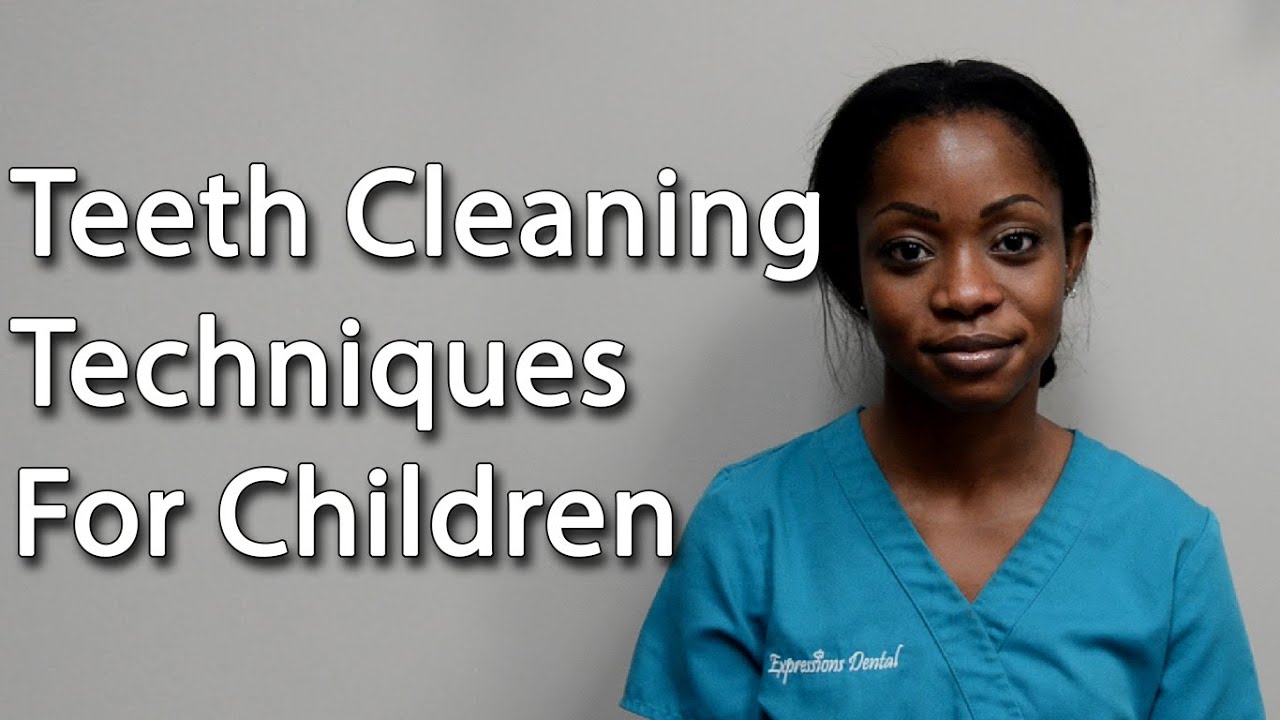
How to Properly Clean Your Child’s Teeth: A Guide from Our Licensed Dental Hygienist
Cleaning your child’s teeth correctly — using the right technique for their age and stage of development — is one of the most effective ways to prevent cavities and gum disease from an early age. Because children have limited dexterity, they need hands-on guidance and age-appropriate brushing methods until at least age seven or eight. Starting these habits early protects both baby teeth and the permanent teeth that follow.
In the video below, Mel, our licensed dental hygienist at Expressions Dental in Calgary NW, demonstrates exactly how to brush your child’s teeth at every stage — from infants and toddlers through to school-aged children.
[Video embed: Licensed dental hygienist Mel demonstrates children’s brushing techniques]
—
Why Brushing Technique Matters for Children
Children’s teeth are highly susceptible to decay. Primary (baby) teeth have thinner enamel than adult teeth, which means bacteria and acid can cause damage more quickly. Cavities in baby teeth can affect the spacing and health of incoming permanent teeth — making early prevention far more valuable than later treatment.
Establishing a correct brushing routine also builds lifelong habits. Children who learn to brush and floss properly are significantly less likely to need restorative dental work as they grow older, including composite fillings or more complex procedures.
Key Reasons Brushing Technique Matters
- Limited dexterity: Most children under seven to eight years old lack the fine motor skills to brush all tooth surfaces thoroughly. A parent or caregiver should assist or closely supervise brushing until the child can tie their own shoelaces reliably — this is a useful developmental milestone to watch for.
- Reaching all surfaces: Children frequently miss the back molars and the gumline — the two areas where cavities and early gum inflammation are most likely to develop.
- Forming positive habits: Brushing at the same time each day, with a consistent routine, helps children accept oral hygiene as a normal part of daily life rather than a struggle.
- Protecting primary teeth: Baby teeth hold space for permanent teeth and support proper speech and chewing. Keeping them healthy matters well beyond aesthetics.
—
Age-by-Age Teeth Cleaning Guide for Children
Infants (0–12 Months): Before the First Tooth Appears
Oral care begins before your baby’s first tooth emerges. After feedings, gently wipe your baby’s gums with a clean, damp cloth or a soft silicone finger brush. This removes milk residue and begins to familiarise your child with the sensation of oral cleaning — making the transition to a toothbrush much easier.
Toddlers (12 Months – 3 Years): First Teeth to a Full Primary Set
As soon as the first tooth appears, begin brushing twice daily using a soft-bristled infant toothbrush. Use a rice grain-sized smear of fluoride toothpaste. At this age, a parent should do all of the brushing — toddlers do not have the coordination to clean their teeth effectively on their own.
- Brush for two minutes, covering all surfaces: outer, inner, and chewing surfaces
- Pay special attention to the back teeth and along the gumline
- Make it a routine — same time each morning and night
- Try different positions: standing behind your child, or laying them down with their head in your lap
Preschoolers (3–5 Years): Building Independence Gradually
At this stage, children can begin to try brushing themselves — but a parent must always brush again afterwards to ensure all surfaces are properly cleaned. Increase fluoride toothpaste to a pea-sized amount. Begin introducing flossing once any two teeth are touching, as a toothbrush cannot reach between contact points.
- Use a small-headed, soft-bristled toothbrush designed for young children
- Let them choose their toothbrush (characters, colours) to increase enthusiasm
- Use a two-minute timer or a brushing app to make it fun and consistent
- Introduce floss picks or child-sized flossers for easier handling
School-Aged Children (6–12 Years): Supervised Independence
Children in this age group are developing better motor skills, but most still need parental supervision and spot checks. By around age seven or eight, many children can brush adequately on their own — but periodic checks with disclosing tablets (which colour plaque red or blue) can reveal the areas they are consistently missing.
- Transition to a child-sized adult toothbrush as permanent teeth come in
- Continue brushing for two minutes, twice daily
- Floss daily — at least once per day before bedtime
- Mouthwash (alcohol-free, fluoride) can be introduced after age six with supervision
- Encourage children to spit, not rinse, after brushing to retain fluoride benefit
—
Correct Brushing Technique: What Parents Should Know
Regardless of your child’s age, the following technique principles apply when assisting with brushing:
- Angle the brush at 45 degrees toward the gumline to clean both the tooth surface and just under the gum margin
- Use small, gentle circular motions — avoid aggressive scrubbing, which can irritate gum tissue and wear enamel over time
- Clean all three surfaces: the outer (cheek-facing) surface, the inner (tongue-facing) surface, and the chewing surface
- Don’t forget the tongue — gently brush or wipe the tongue to reduce bacteria and freshen breath
- Replace the toothbrush every three months, or sooner if bristles are frayed
—
How to Floss Your Child’s Teeth
Flossing removes plaque and food debris from between teeth — an area a toothbrush simply cannot reach. Begin flossing as soon as two teeth are touching, which can happen as early as two to three years of age.
Flossing Tips for Children
- Use child-sized floss picks or a floss holder for easier control
- Gently guide the floss between teeth using a C-shape motion against each tooth surface
- Slide gently below the gumline — do not snap the floss, which can hurt and damage gum tissue
- Floss all contact points, including the back molars where decay most commonly begins
- Make it a nightly habit before bed, after the final brush of the day
For children who find standard flossing difficult or uncomfortable, our licensed dental hygienists in Calgary can demonstrate the correct technique and recommend the most suitable flossing aids for your child’s mouth.
—
When Should Children Have Their First Dental Appointment?
The Canadian Dental Association recommends that children see a dentist within six months of their first tooth appearing, or by their first birthday — whichever comes first. Early dental visits allow a licensed dentist to check tooth development, identify any early signs of decay, apply preventive fluoride treatments, and help parents develop a home care routine tailored to their child’s needs.
At Expressions Dental in Calgary NW, we provide gentle, comprehensive dental care for children in a welcoming, family-friendly environment. Our team takes time to make young patients feel comfortable and confident at every visit.
—
Professional Cleanings: An Essential Part of Your Child’s Routine
Even with excellent home care, professional dental cleanings are an essential part of your child’s oral health routine. Our licensed hygienists use specialised tools to remove calculus (hardened plaque) that a toothbrush and floss cannot address at home. We also check for early signs of decay, assess bite development, and apply fluoride treatments where appropriate.
Children should typically visit for a professional cleaning and check-up every six months. Learn more about our professional teeth cleaning services in Calgary and what to expect at your child’s appointment.
For families who may be eligible, we also accept the Canadian Dental Care Plan (CDCP), which may help cover the cost of preventive dental care for children.
—
Book Your Child’s Dental Appointment at Expressions Dental Calgary NW
Giving your child a healthy start in oral hygiene is one of the best investments you can make in their long-term wellbeing. Whether you have questions about your child’s brushing routine, need a professional cleaning, or are booking your child’s very first dental visit, the experienced team at Expressions Dental in Calgary NW is here to help.
Book an appointment today — new patients and families are always welcome at our Calgary NW clinic.
Frequently Asked Questions
At what age should I start brushing my child's teeth?
You should begin oral care before your child's first tooth even appears, by wiping the gums with a damp cloth after feedings. As soon as the first tooth comes through — typically between six and twelve months — start brushing twice daily with a soft infant toothbrush and a rice grain-sized smear of fluoride toothpaste. Starting early builds healthy habits and protects primary teeth from decay.
How long should children brush their teeth?
Children should brush for two full minutes, twice a day — once in the morning and once before bed. Using a timer, a song, or a brushing app can help make two minutes feel manageable and even enjoyable for young children. Consistency matters more than perfection, so focus on making brushing a reliable daily routine.
When should I stop helping my child brush their teeth?
Most children are not able to brush their teeth thoroughly on their own until around age seven or eight, when fine motor skills are sufficiently developed. A useful guideline is that a child who can tie their own shoelaces reliably is likely developing the dexterity needed to brush independently. Even after this point, periodic supervision and spot checks are recommended to ensure they are not consistently missing areas like the back molars or gumline.
When should my child start flossing?
Flossing should begin as soon as two of your child's teeth are touching, because a toothbrush cannot reach between contact points. This can happen as early as two to three years of age. Child-sized floss picks or floss holders make the process much easier for parents. Our licensed dental hygienists at Expressions Dental Calgary NW can demonstrate the correct technique at your next visit.
How much toothpaste should I use for my child?
For children under three years old, use a rice grain-sized smear of fluoride toothpaste. From age three to six, increase to a pea-sized amount. Fluoride toothpaste is recommended for children of all ages by the Canadian Dental Association, as it strengthens enamel and helps prevent cavities. Always supervise brushing to ensure your child spits rather than swallows the toothpaste.
When should my child have their first dental appointment?
The Canadian Dental Association recommends that children visit a dentist within six months of their first tooth appearing, or by their first birthday — whichever comes first. Early visits allow a licensed dentist to monitor tooth development, catch any early decay, apply preventive treatments, and guide parents on proper home care. At Expressions Dental in Calgary NW, we welcome infants and young children and make first visits as positive and comfortable as possible.
What type of toothbrush is best for my child?
Choose a toothbrush with a small head and soft bristles that is specifically sized for your child's age group. Soft bristles are gentle on developing enamel and sensitive gum tissue. Electric toothbrushes designed for children can also be effective and are often more engaging for kids, though a manual brush used correctly is equally beneficial. Replace your child's toothbrush every three months or sooner if the bristles are frayed.