
How to Teach Kids Better Dental Habits
Building strong dental habits in childhood is one of the most important things a parent can do for their child’s long-term health. Teaching kids to brush twice daily, floss regularly, and visit the dentist early helps prevent tooth decay, gum problems, and more serious oral health issues later in life. The good news is that with the right approach, healthy dental routines can actually be enjoyable for children.
Why Starting Early Matters
Children who develop consistent oral hygiene habits before age five are significantly more likely to carry those habits into adulthood. Early dental care also allows licensed dental professionals to monitor tooth development, catch cavities early, and guide parents on age-appropriate care. At Expressions Dental’s children’s dental care programme in Calgary, we work with families to make every visit a positive, supportive experience.
Practical Strategies to Build Healthy Dental Habits in Kids
1. Model the Behaviour You Want to See
Children learn by watching the adults around them. One of the most powerful things you can do is let your child see you brushing and flossing every day. Narrate what you are doing. Explain why you brush before bed and why flossing removes the food that a toothbrush cannot reach. When good habits are normalised at home, children accept them without resistance.
2. Brush Together as a Family
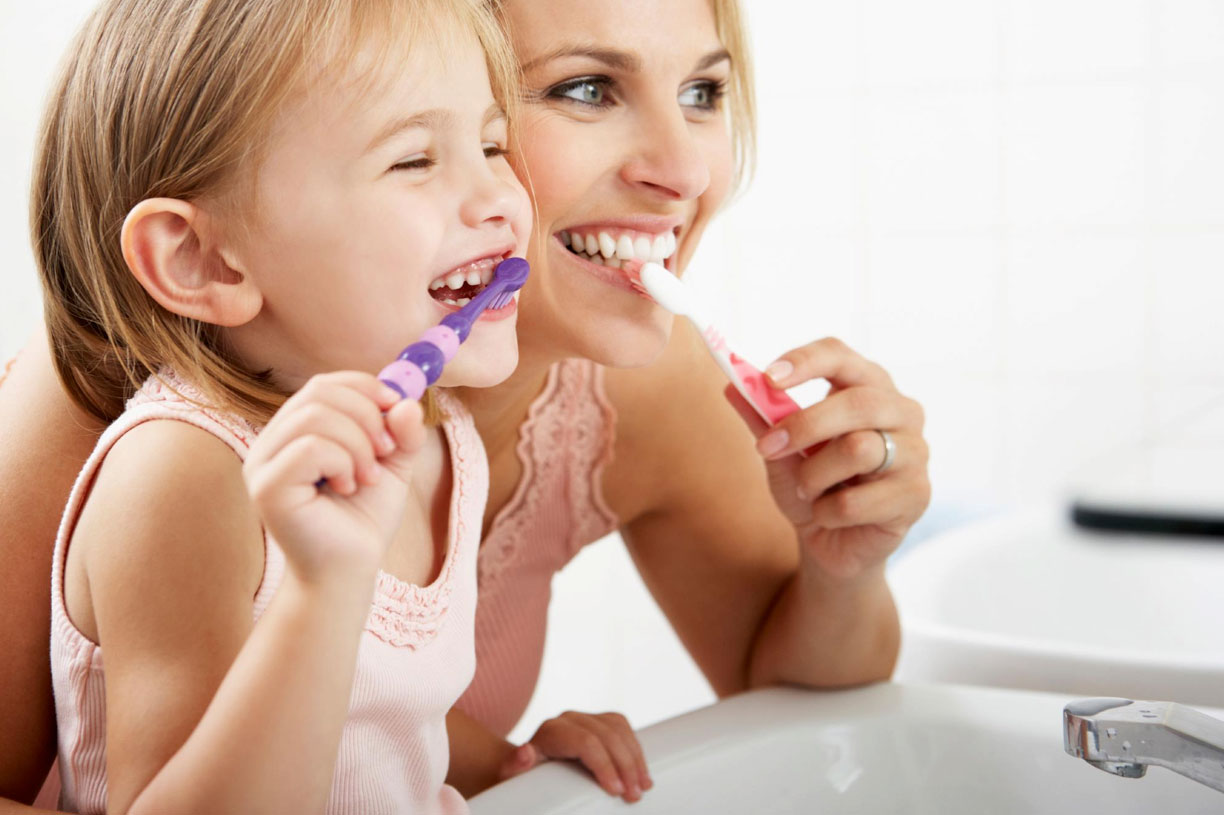
Make brushing a shared activity rather than a solo chore. Stand side by side at the sink, brush at the same time, and let your child “help” you while you help them. This simple routine builds connection and reinforces that brushing is something everyone does, not just kids.
3. Let Kids Choose Their Own Toothbrush
Giving children a sense of ownership over their dental tools goes a long way. Let them pick a toothbrush in their favourite colour or featuring a beloved character. Consider toothbrushes with lights, sounds, or vibration timers: these make the two-minute brushing window feel like an activity rather than an obligation.
4. Create a Brushing Routine with Stories or Songs
Turn brushing time into something your child looks forward to. Make up a tooth-brushing song together, or use the two minutes to tell a short, ongoing story. Some parents in Calgary NW use a dedicated brushing playlist or a fun app to keep the routine consistent and engaging night after night.
5. Introduce Flossing Early
Brushing alone does not clean between teeth, where food debris and plaque commonly build up. Begin introducing flossing as soon as your child has two teeth that touch. Use child-friendly floss picks to make the process easier, and consider plaque disclosing tablets. These temporarily colour areas of plaque so children can see exactly what they missed. It turns flossing into a revealing game rather than a routine task.
6. Manage Sugar Intake Thoughtfully
Sugary foods and drinks are among the leading causes of tooth decay in children. You do not need to eliminate treats entirely, but it helps to limit sugary snacks to mealtimes rather than allowing frequent grazing throughout the day. Rinsing with water after sweets, and saving candy for moments followed by brushing, significantly reduces the risk of cavities.
7. Make Dental Visits a Positive Experience
Regular professional teeth cleaning in Calgary is an essential part of your child’s dental care routine, not just a backup for when something goes wrong. Start dental visits by age one or when the first tooth appears. Talk about appointments in a calm, matter-of-fact way, and avoid language that may create anxiety (words like “hurt,” “needle,” or “drill”). When children feel comfortable in the dental chair from an early age, they are far more likely to maintain regular check-ups for life.
8. Reward Progress, Not Perfection
Use a sticker chart or simple reward system to celebrate consistent brushing and flossing, not necessarily perfect technique. Positive reinforcement builds lasting habits. Acknowledge effort, answer questions about teeth honestly, and celebrate milestones like losing a first tooth to keep oral health conversations open and positive.
When to See a Dentist for Your Child in Calgary NW
The Canadian Dental Association recommends that children have their first dental visit within six months of their first tooth appearing, or by their first birthday. After that, routine check-ups every six months are standard for most children. If your child experiences tooth pain, sensitivity, or visible spots on their teeth, do not wait for the next scheduled visit: contact your dental clinic promptly.
Our family dental care team in Calgary NW is experienced in making children feel at ease, from their very first appointment through to their teenage years. We offer a welcoming, judgement-free environment where kids can ask questions and parents can get practical guidance tailored to their child’s stage of development.
Ready to Build Healthy Smiles for Your Family?
At Expressions Dental in Calgary NW, we believe that confident, healthy smiles start with the habits formed in childhood. Whether you are booking your child’s first appointment or looking for guidance on improving their current routine, our licensed dental team is here to help every step of the way. New patients are always welcome: contact us today to schedule your family’s next visit.
Frequently Asked Questions
At what age should my child first visit the dentist?
The Canadian Dental Association recommends scheduling your child's first dental visit within six months of their first tooth appearing, or no later than their first birthday. Starting early allows the dental team to monitor development, provide preventive care, and help your child feel comfortable in the dental environment from a young age.
How do I get my toddler to cooperate with brushing their teeth?
The most effective approaches involve making brushing feel fun and familiar rather than enforced. Let your child choose their own toothbrush, brush together as a family, and use songs, stories, or a timer app to make the two minutes pass quickly. Consistency is key: the more brushing is part of the daily routine, the less resistance you will encounter over time.
When should kids start flossing?
Children should begin flossing as soon as two teeth touch side by side, which can happen as early as age two or three. Child-friendly floss picks are easier for small hands and less intimidating than traditional floss. Parents should assist with flossing until children have the dexterity to do it effectively on their own, usually around age seven or eight.
How much toothpaste should I use for my child?
For children under three, use only a tiny smear of fluoride toothpaste, about the size of a grain of rice. For children aged three to six, a pea-sized amount is appropriate. Always supervise brushing to ensure your child spits rather than swallows toothpaste, and choose a toothpaste formulated for their age group.
Are baby teeth really that important to look after?
Yes, baby teeth play a critical role in your child's development. They help children chew properly, support speech development, and hold space in the jaw for permanent teeth. Untreated decay in baby teeth can lead to pain, infection, and problems with the alignment of adult teeth. Caring for baby teeth is just as important as caring for permanent ones.
How can I reduce my child's fear of going to the dentist?
Start dental visits early so the clinic environment becomes familiar rather than intimidating. Use calm, neutral language when talking about appointments, and avoid sharing your own dental anxieties in front of your child. Choosing a family-friendly dental clinic in Calgary NW where the team is experienced in treating children makes a significant difference in building a positive association with dental care.
How often should my child have a professional dental cleaning?
Most children benefit from a professional teeth cleaning and check-up every six months. These visits allow the dental team to remove tartar build-up that brushing and flossing cannot address, check for early signs of decay, and reinforce good habits at home. If your child is at higher risk for cavities, the dentist may recommend more frequent visits.
