
How Dentists Determine If You Need Root Canal Treatment
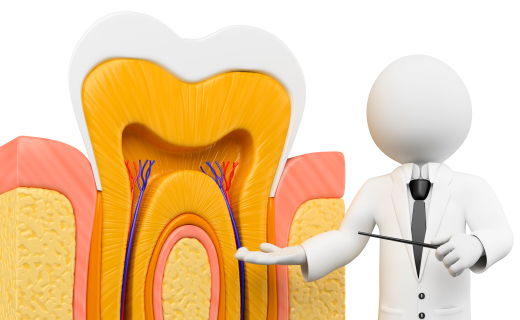
Root canal treatment, also called endodontic therapy, is typically needed when the inner nerve tissue of a tooth becomes infected or severely inflamed. A licensed dentist diagnoses the need for a root canal by combining the symptoms you report, clinical signs observed during your appointment, and specific diagnostic tests. Early and accurate diagnosis is key to saving your natural tooth and relieving pain.
Symptoms You May Notice at Home
In most cases, it’s pain or swelling that first alerts a patient that something is wrong. During your appointment, your dentist will ask detailed questions about what you’ve been experiencing. Common patient-reported symptoms include:
- Tooth pain: ranging from a dull ache to sharp, intense discomfort
- Sensitivity to hot or cold, especially if it lingers after the temperature source is removed
- Gum tenderness or swelling: around a specific tooth or area of the mouth
- Frequency and pattern of pain, whether it comes and goes or is constant
If you’re experiencing severe or sudden tooth pain in Calgary NW, it’s important not to wait. Delaying care can allow infection to spread. You can also visit our Emergency Dentist NW Calgary page to learn about same-day and urgent dental care options.
Clinical Signs Your Dentist Will Look For
Some teeth with damaged or infected nerve tissue show very few obvious symptoms, at least to the untrained eye. A licensed dentist, however, knows exactly what subtle clinical signs to look for. These may include:
- X-ray changes: darkening or bone changes around the root tip visible on dental X-rays
- Recurring or persistent gum pimples: small bumps on the gum (called a fistula or sinus tract) that indicate an active infection draining from the tooth’s root
- Individual tooth darkening: a single tooth that appears darker than surrounding teeth, suggesting internal nerve breakdown
- Exposed nerve tissue: from deep decay, a cracked tooth, or trauma
Our clinic uses Digital X-Rays to get clear, detailed images of your teeth and surrounding bone. Helping us detect problems that are not yet visible to the naked eye.
Additional Diagnostic Tests Used to Confirm a Root Canal Diagnosis
Once a tooth is identified as a potential concern, your dentist may perform one or more of the following tests to confirm whether root canal treatment is needed:
Percussion Testing
Your dentist gently taps on the tooth with a dental instrument. Pain or tenderness when tapping can indicate inflammation or infection at the root tip.
Thermal Testing
A cold or heat stimulus is briefly applied to the tooth. A healthy nerve responds normally and the sensation stops quickly. A prolonged, intense, or absent response can signal nerve damage or death.
Electric Pulp Testing
A pulp tester delivers a low-level electrical current to the tooth. A healthy nerve will respond to this stimulus at a certain threshold. A tooth with a non-vital (dead) nerve will not respond, confirming that the pulp tissue is no longer alive.
X-Ray Evaluation
Radiographs remain one of the most reliable diagnostic tools. Your dentist will look for changes in bone density around the root, widening of the periodontal ligament space, and other indicators of infection or inflammation.
What Happens After Diagnosis?
If your dentist confirms that root canal treatment is needed, the procedure itself is typically straightforward and performed under local anaesthetic: meaning most patients feel little to no discomfort during treatment. After the nerve tissue is removed and the canals are cleaned and sealed, a dental crown is usually recommended to protect and restore the tooth long-term.
For patients who feel anxious about dental treatment, our Calgary NW clinic also offers sedation options including nitrous sedation and oral sedation to help you feel calm and comfortable throughout your appointment.
Book a Root Canal Consultation at Expressions Dental in Calgary NW
If you’re experiencing tooth pain, sensitivity, or swelling, don’t wait for the problem to worsen. The licensed dental team at Expressions Dental in Calgary NW is here to provide a thorough assessment and talk you through your options with no pressure. Early treatment can save your tooth, eliminate discomfort, and prevent the spread of infection.
Learn more about Root Canal Treatment at Expressions Dental, or contact us today to book your consultation. We welcome new patients and offer direct billing to most major insurance providers.
Frequently Asked Questions
How do I know if I need a root canal or just a filling?
A filling is used to repair a tooth when decay is limited to the outer layers, the enamel and dentine. A root canal is needed when decay, infection, or trauma has reached the inner nerve tissue (the pulp). Your dentist will use a combination of your symptoms, clinical examination, and diagnostic tests such as X-rays and pulp testing to determine which treatment is appropriate.
What are the most common signs that a tooth needs root canal treatment?
The most common signs include persistent or severe toothache, prolonged sensitivity to hot or cold temperatures, swelling or tenderness in the gums near a specific tooth, and a darkening of the tooth. Some patients also develop a small pimple-like bump on the gum, which indicates that an infection is draining from the root of the tooth.
Is root canal treatment painful?
Most patients are surprised to find that root canal treatment is far less uncomfortable than they expected. The procedure is performed under local anaesthetic, so the tooth and surrounding tissue are numbed before any work begins. For patients with dental anxiety, sedation options such as nitrous oxide or oral sedation are available at Expressions Dental in Calgary NW to help you feel completely at ease.
Can a tooth need a root canal without causing any pain?
Yes, in some cases a tooth with a dead or dying nerve causes little to no pain at all, particularly if the nerve tissue has fully deteriorated. This is why routine dental examinations and X-rays are so important. Your dentist may identify signs of infection or nerve damage on an X-ray even when you feel no discomfort whatsoever.
What happens if I delay root canal treatment?
Delaying root canal treatment can allow the infection to spread beyond the tooth root into the surrounding bone and soft tissue. This can lead to a dental abscess, increased pain, and in more serious cases, the need for tooth extraction. If you are experiencing symptoms, it is best to seek care promptly: Expressions Dental also offers emergency dental appointments for urgent situations.
How long does a root canal procedure take?
The length of a root canal procedure depends on the complexity of the tooth and the severity of the infection. Most single-rooted teeth can be treated in one appointment lasting approximately 60 to 90 minutes. Teeth with multiple canals, such as molars, may require a second visit to complete. Your dentist will give you a clear timeline during your consultation.
Will I need a crown after root canal treatment?
In most cases, yes. After the nerve tissue is removed and the canals are cleaned and sealed, the remaining tooth structure can become more brittle over time. A dental crown is typically recommended to protect the tooth, restore its full function, and help it last for many years. Your dentist at Expressions Dental will advise you on the best restoration option for your specific tooth.
