
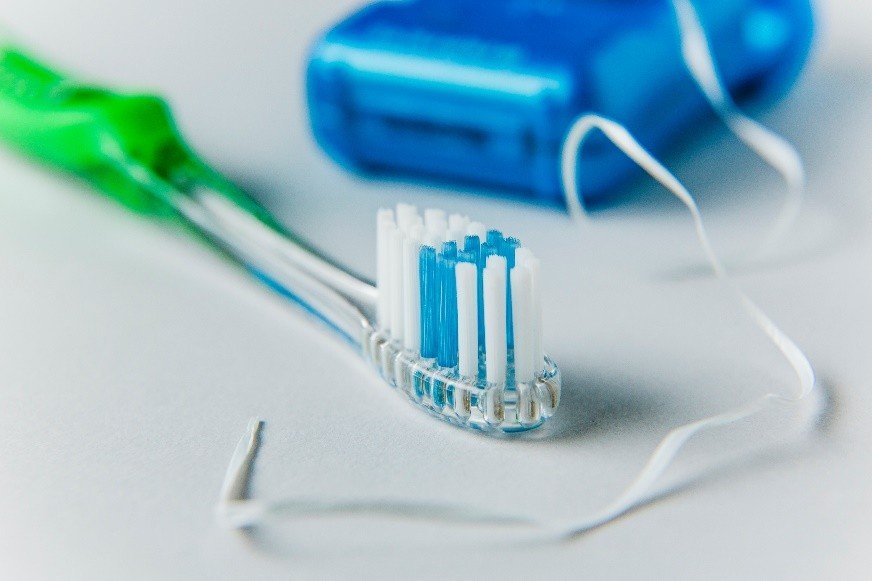
Why Flossing Is Essential for Good Oral Health
Flossing is one of the most important and most overlooked steps in a daily oral hygiene routine. Brushing cleans the surfaces of your teeth, but it cannot reach the tight spaces between teeth and below the gumline where plaque and bacteria accumulate. Flossing once a day removes this hidden buildup before it can cause serious damage to your teeth and gums.
What Happens When You Skip Flossing?
When food particles and plaque are left between your teeth, they create conditions where harmful bacteria thrive. Over time, this leads to:
- Tartar buildup: plaque that hardens into calculus, which can only be removed by a licensed dental hygienist in Calgary
- Gum disease: including gingivitis and the more serious periodontitis, which can lead to tooth loss if left untreated
- Tooth decay: cavities that form in areas your toothbrush simply cannot access
- Persistent bad breath: caused by bacteria and decaying food trapped between teeth
- Surface staining: plaque buildup allows food and drink pigments to cling to tooth enamel, dulling your smile over time
If gum disease has already developed, early treatment is critical. Learn more about our periodontal care services at Expressions Dental.
The Key Benefits of Flossing Daily
1. Removes Plaque from Between Teeth
Dental floss reaches the narrow gaps between teeth and along the gumline: areas your toothbrush bristles cannot effectively clean. Regular flossing disrupts plaque colonies before they harden into tartar, reducing your risk of cavities and gum inflammation.
2. Helps Prevent Gum Disease
Plaque that accumulates along the gumline is the primary cause of gingivitis, the earliest stage of gum disease. Daily flossing removes this plaque and helps keep your gums firm, pink, and healthy. Left untreated, gingivitis can progress to periodontitis, which affects the bone supporting your teeth.
3. Freshens Your Breath
Bad breath (halitosis) is frequently caused by bacteria and decomposing food particles trapped between teeth. No amount of mouthwash will fully address the problem if the source, plaque and debris between teeth, is not physically removed. Flossing tackles this at the root cause.
4. Supports a Whiter, Cleaner-Looking Smile
Plaque and food debris between teeth contribute to dullness and surface staining. By flossing regularly, you remove the deposits that allow stains to take hold, helping your teeth stay naturally brighter between professional cleanings. If you’re looking for additional whitening support, our team offers teeth whitening services in Calgary NW to complement your home care routine.
5. Prevents Tartar That Only a Hygienist Can Remove
Once plaque mineralises into tartar (calculus), brushing and flossing can no longer remove it, only a professional teeth cleaning in Calgary can. Consistent flossing significantly reduces how quickly tartar accumulates, protecting both your teeth and your wallet.
How to Floss Correctly
Proper technique makes all the difference. Follow these steps for effective flossing:
- Use approximately 45 cm (18 inches) of floss, winding most of it around your middle fingers and leaving a few centimetres to work with
- Hold the floss taut between your thumbs and index fingers and guide it gently between teeth using a zigzag motion: do not snap it into the gums
- Curve the floss into a C-shape around each tooth and slide it gently beneath the gumline
- Use a clean section of floss for each tooth to avoid transferring bacteria
- Floss at least once per day, ideally before bedtime so your mouth is clean overnight
If traditional string floss is difficult to manage, floss picks, interdental brushes, or a water flosser are effective alternatives. Ask your dental hygienist which option is best suited to your teeth and gums.
Flossing Is Part of a Complete Oral Hygiene Routine
Flossing works best as part of a full daily routine that includes brushing twice a day with fluoride toothpaste and rinsing with an antimicrobial mouthwash. Even the most thorough home care routine, however, is not a replacement for professional cleanings and check-ups. Regular dental visits allow your dental team to catch early signs of decay, gum disease, and other concerns before they become more serious and costly to treat.
At Expressions Dental in Calgary NW, we also offer Guided Biofilm Therapy (GBT), a modern, comfortable approach to professional cleaning that uses advanced technology to identify and remove biofilm, plaque, and tartar more precisely than traditional methods.
Make Flossing a Habit Starting Today
Good oral health begins at home, but it doesn’t end there. If you’re due for a cleaning or have questions about your flossing technique, the experienced and caring team at Expressions Dental Calgary NW is here to help. We welcome new patients and families, and we offer direct billing to most major insurance providers.
Book your next appointment with Expressions Dental today and take the next step toward a healthier, cleaner smile. Visit us at expressionsdental.ca or call our Calgary NW clinic to schedule your visit.
Frequently Asked Questions
Is flossing really necessary if I brush my teeth twice a day?
Yes, flossing is essential even with twice-daily brushing. Toothbrush bristles cannot reach the spaces between teeth or below the gumline, where plaque and food debris accumulate and cause cavities and gum disease. Flossing once a day cleans these areas that brushing simply cannot access.
How often should I floss my teeth?
You should floss at least once per day. Most dental professionals recommend flossing before bed so that bacteria and food particles are not left between your teeth overnight. Flossing after meals when possible provides additional protection against plaque buildup.
Can flossing help with bad breath?
Yes. One of the most common causes of persistent bad breath is bacteria and decaying food trapped between teeth: areas mouthwash alone cannot adequately address. Regular flossing removes these particles at the source, significantly improving breath freshness.
My gums bleed when I floss. Should I stop?
Bleeding gums during flossing are often a sign of early gum disease (gingivitis) caused by plaque buildup along the gumline, not a sign that flossing is harmful. In most cases, consistent daily flossing will reduce inflammation and stop the bleeding within one to two weeks. If bleeding persists, book an appointment with your dental hygienist in Calgary for an assessment.
What is the best type of floss to use?
The best floss is the type you will use consistently. Waxed floss, unwaxed floss, floss picks, interdental brushes, and water flossers are all effective options depending on the spacing of your teeth and personal preference. Your licensed dental hygienist at Expressions Dental can recommend the most suitable option for your specific needs.
How does flossing relate to professional teeth cleaning?
Flossing removes soft plaque between teeth daily, which helps slow the buildup of tartar (hardened plaque). However, once tartar forms, only a professional teeth cleaning performed by a licensed dental hygienist can remove it. Regular flossing between your professional cleanings in Calgary helps maintain the results and protects your gum health.
At what age should children start flossing?
Children should begin flossing as soon as two teeth are touching, typically around ages two to three. Parents should assist with flossing until children develop the dexterity to do it effectively on their own, usually around age eight to ten. Our team at Expressions Dental offers dedicated dental care for children in Calgary to support healthy habits from an early age.
