Sports Drinks and Oral Health: What Every Athlete Needs to Know
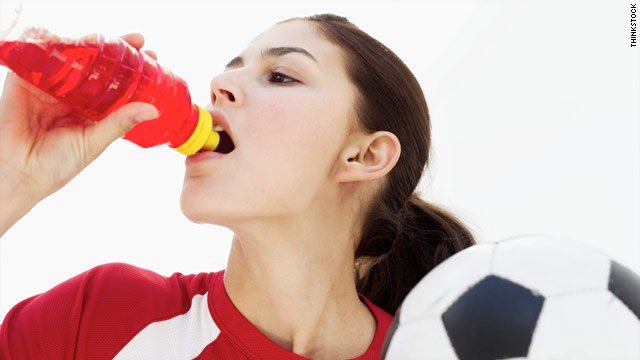
Sports drinks can cause up to three times more damage to teeth than regular soda, making oral health one of the most overlooked risks in athletic performance. The high acidity and sugar content in these beverages erode enamel, promote tooth decay, and contribute to gum disease, even in otherwise healthy, active individuals. Whether you are a recreational runner or a competitive athlete in Calgary NW, understanding this risk is the first step toward protecting your smile.
Why Athletes Are at Higher Risk for Dental Problems
Athletes tend to focus on physical conditioning, nutrition, and hydration, yet dental health often falls to the bottom of the priority list. Research shows that the most commonly reported dental problems among active people include:
- Tooth decay
- Gum disease
- Enamel erosion
- Infected wisdom teeth
These issues affect athletes of all ages, from children in organised sport to older adults, and the rates are rising. Dental professionals across Canada have flagged this as a growing concern, particularly because the habits that seem to support performance can quietly undermine oral health.
How Sports Drinks Damage Your Teeth
Acid Erosion
Tooth enamel and dentine begin to weaken and break down when exposed to acids with a pH lower than 5.5. Most popular sports drinks and intra-workout supplements contain citric acid or malic acid, with pH levels ranging from 2.4 to 4.5, well into the erosion danger zone. Repeated exposure wears away the protective enamel layer, leaving teeth sensitive, discoloured, and more vulnerable to decay.
Sugar and Bacterial Acid Production
The sugars found in sports drinks adhere to tooth surfaces more effectively than saliva can wash away. This creates an ideal environment for oral bacteria to thrive and produce additional acid, significantly increasing the risk of tooth decay. Unlike a single glass of juice at a meal, athletes often take frequent sips throughout a training session, prolonging acid exposure and multiplying the damage over time.
Dehydration and Dry Mouth
Intense exercise commonly causes dehydration, which reduces saliva flow. Saliva plays a critical role in neutralising acids and rinsing away bacteria and food particles. When saliva production drops, the mouth loses its natural defence mechanism, making the acidic and sugary environment created by sports drinks even more harmful. Athletes who breathe heavily through their mouths during training compound this effect further.
Frequency of Use
Occasional consumption of a sports drink poses far less risk than habitual use during every training session. Unfortunately, many athletes consume these beverages daily, sometimes multiple times per day, which means their teeth are under near-constant acid attack. This cumulative exposure is one of the primary reasons dental problems are disproportionately common among active individuals.
Common Dental Issues Athletes Should Watch For
Enamel Erosion
Early signs include increased tooth sensitivity to hot, cold, or sweet foods, and a slightly translucent or yellowing appearance along the edges of teeth. Once enamel is lost, it cannot regenerate, making prevention essential.
Tooth Decay and Cavities
Cavities develop when acid-producing bacteria break down the weakened enamel. Left untreated, decay can progress to the inner pulp of the tooth, potentially requiring root canal treatment to save the affected tooth.
Gum Disease
Sugar and bacteria also accumulate along the gumline, increasing inflammation and the risk of periodontal disease. Periodontal care becomes particularly important for athletes who consume sports drinks regularly and may not be visiting their dentist as often as recommended.
Infected Wisdom Teeth
Athletes in their late teens and twenties are especially vulnerable to wisdom tooth complications. A high-sugar, high-acid diet accelerates bacterial growth around partially erupted wisdom teeth, raising infection risk. If you are experiencing pain at the back of your mouth, wisdom teeth removal may be the appropriate next step.
Practical Tips to Protect Your Teeth Without Sacrificing Performance
- Choose water when possible. For workouts under 60 minutes, plain water is usually sufficient to maintain hydration without the acid and sugar load of sports drinks.
- Drink sports drinks quickly rather than sipping. Frequent, prolonged sipping extends acid contact time. If you use a sports drink, drink it in a shorter window rather than nursing it throughout your session.
- Rinse with water after consuming sports drinks. This helps dilute and clear residual acid and sugar from tooth surfaces.
- Wait 30 to 60 minutes before brushing. Brushing immediately after acid exposure can spread softened enamel particles and cause additional erosion. Rinse with water first and brush later.
- Use a fluoride toothpaste. Fluoride helps strengthen enamel and supports remineralisation of early acid damage.
- Consider a straw. Using a straw reduces direct contact between the acidic liquid and your tooth surfaces.
- Maintain regular professional cleanings. Routine teeth cleaning appointments in Calgary allow your dental hygienist to monitor enamel health, remove hardened plaque, and catch early signs of decay before they become serious problems.
- Talk to your dentist about fluoride treatments or dental sealants if you consume sports drinks frequently.
What About Children and Teen Athletes?
Young athletes are particularly vulnerable because their enamel is still maturing and is less resistant to acid damage. Dental problems linked to sports drink consumption have been documented in children as young as preschool age. If your child participates in sports in Calgary NW, it is worth reviewing their hydration habits and speaking with a children’s dentist in Calgary about how to protect their developing teeth.
Book a Dental Check-Up at Expressions Dental in Calgary
If you are an athlete, or the parent of one, and you are concerned about the effects of sports drinks on your oral health, the licensed dental team at Expressions Dental in Calgary NW is here to help. We offer comprehensive examinations, professional cleanings, and personalised preventive care to keep your smile strong through every season of training and competition.
Contact Expressions Dental at expressionsdental.ca to book your appointment today. Your performance matters, and so does your smile.
Frequently Asked Questions
Are sports drinks really worse for teeth than soda?
Yes, research suggests sports drinks can cause up to three times more enamel damage than regular soda. This is because many sports drinks combine high sugar content with very low pH levels (as acidic as 2.4), and athletes tend to sip them repeatedly over extended periods, prolonging acid exposure on tooth surfaces.
How can I tell if sports drinks are damaging my teeth?
Early warning signs of enamel erosion include increased sensitivity to hot, cold, or sweet foods, and a slightly transparent or yellowed appearance at the edges of your teeth. If you notice these changes, it is best to see a dentist promptly. Enamel does not regenerate once it is lost, so early intervention is important.
Is it safe to use sports drinks if I brush my teeth right after?
Brushing immediately after consuming an acidic drink can actually cause additional damage by spreading softened enamel particles across tooth surfaces. Instead, rinse your mouth with plain water straight away and wait 30 to 60 minutes before brushing.
What should young athletes drink instead of sports drinks?
For most children and teens doing activities lasting under an hour, water is the safest and most effective hydration option. For longer or more intense sessions, diluting a sports drink with water can reduce acidity and sugar concentration. Speaking with a children's dentist in Calgary NW can help parents make the best choices for their child's oral health.
Can regular dental check-ups help offset the damage from sports drinks?
Regular professional cleanings and examinations allow your dentist and hygienist to identify early signs of enamel erosion, decay, or gum disease before they progress. Your dental team can also apply fluoride treatments and recommend protective strategies tailored to your specific habits and risk level.
Do sports drinks cause gum disease in athletes?
The sugar and bacteria promoted by sports drink consumption do accumulate along the gumline, which can increase inflammation and raise the risk of gum disease over time. Athletes who combine high sports drink use with infrequent dental visits are at elevated risk, making routine periodontal care an important part of their overall health routine.
What Calgary dental services are available if sports drinks have already damaged my teeth?
Depending on the extent of the damage, treatment options may include professional teeth cleaning, composite white fillings, dental crowns, or in more advanced cases, root canal treatment. The licensed dental team at Expressions Dental in Calgary NW can assess your situation and recommend the most appropriate and conservative treatment plan.
