Can You Use Mouthwash After a Dental Implant?
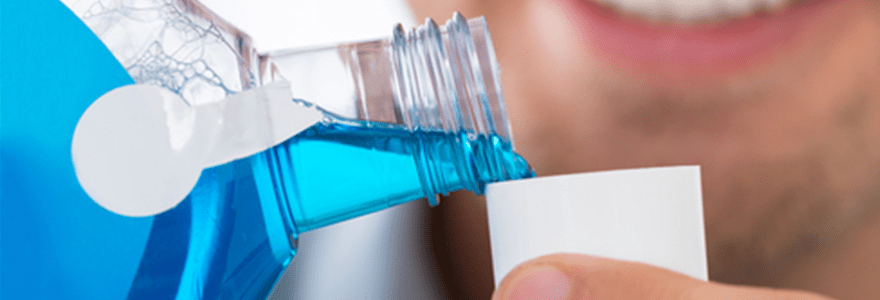
Yes, you can use mouthwash after a dental implant — but not just any mouthwash, and not right away. In the first 24 hours after implant surgery, you should avoid rinsing altogether to allow a blood clot to form at the surgical site. After that initial period, your dentist will typically recommend a gentle, alcohol-free or medicated rinse to support healing without irritating the implant area.
What Is a Dental Implant?
A dental implant is a small titanium post surgically placed into the jawbone to replace the root of a missing tooth. Once the implant integrates with the bone — a process called osseointegration — a crown, bridge, or other restoration is attached on top. Implants are considered one of the most durable and natural-looking tooth replacement options available at dental clinics across Calgary NW.
Because the implant site involves both bone and soft tissue, the healing period requires careful attention to oral hygiene. What you rinse with, and when, can make a meaningful difference to your recovery.
When Can You Start Using Mouthwash After an Implant?
Every patient heals differently, but here is a general timeline most licensed dentists in Calgary follow:
- First 24 hours: Avoid all rinsing, spitting, and touching the implant site. Disturbing the area can dislodge the clot and delay healing.
- Day 2 onwards: Gently rinse with lukewarm salt water (½ teaspoon of salt dissolved in a glass of warm water) two to three times daily, especially after meals.
- Week 2 onwards: If your dentist prescribed a medicated mouthwash (such as chlorhexidine), use it exactly as directed. Do not use it longer than recommended, as extended use can stain teeth.
- After full healing: You can typically return to using a regular, alcohol-free mouthwash as part of your daily oral hygiene routine.
What Type of Mouthwash Is Safe After a Dental Implant?
Choosing the right rinse is essential for protecting your implant during recovery. Here is what to use — and what to avoid:
Safe Options
- Lukewarm salt water: A simple, effective rinse that reduces bacteria and soothes inflamed tissue. Recommended by most dentists during the first week of healing.
- Chlorhexidine gluconate (prescribed rinse): A medicated antibacterial mouthwash often prescribed after oral surgery. Use only as directed by your dentist.
- Alcohol-free antimicrobial rinses: Once healing is well underway, a gentle alcohol-free rinse can be incorporated into your routine.
What to Avoid
- Alcohol-based mouthwashes: Alcohol can irritate surgical tissue, cause dryness, and interfere with healing. Avoid products like standard Listerine in the early recovery period.
- Whitening or peroxide mouthwashes: These can be harsh on healing gum tissue and are not appropriate during implant recovery.
- Vigorous swishing: Even with a safe rinse, swishing too forcefully can dislodge the clot or disturb sutures. Rinse gently and let the liquid flow naturally.
Other Important Aftercare Instructions Following Dental Implant Surgery
Mouthwash is just one part of post-implant care. Your licensed dental team will provide personalised instructions, but the following precautions are commonly recommended for patients across Calgary:
- Avoid hot food and drinks for the first 24 hours, as heat can increase swelling and bleeding
- Do not smoke or use chewing tobacco — these significantly increase the risk of implant failure
- Avoid strenuous physical activity for at least 48 hours after surgery
- Do not touch the implant site with your tongue or fingers
- Do not sip through a straw near the surgical site during early healing
- Brush gently around the implant site using a soft-bristled toothbrush, avoiding direct contact with the site during the first few days
Maintaining good oral hygiene throughout your recovery is critical. Bacteria near an implant site can lead to a condition called peri-implantitis, which can compromise the implant’s long-term success. Routine dental hygiene visits are recommended once healing is complete to keep the area clean and healthy.
Why Proper Oral Hygiene Matters After an Implant
A dental implant is a significant investment in your oral health. Protecting that investment begins the moment you leave the dental chair. Following your dentist’s aftercare instructions carefully — including using the right mouthwash at the right time — helps ensure the implant integrates successfully and lasts for many years.
If you experience unusual pain, swelling, bleeding, or signs of infection at any point during your recovery, contact your dental clinic promptly. You can also visit the emergency dental care team at Expressions Dental if you have concerns outside of regular appointment hours.
Book a Dental Implant Consultation in Calgary NW
If you are considering dental implants or have recently had implant surgery and have questions about your recovery, the experienced team at Expressions Dental in Calgary NW is here to help. We provide personalised aftercare guidance to every patient, ensuring your implant heals well and your smile stays healthy for the long term.
Learn more about dental implants at Expressions Dental or contact our clinic to schedule your consultation today.
Frequently Asked Questions
Can I use mouthwash the same day as my dental implant surgery?
No. You should avoid all rinsing, including mouthwash, for the first 24 hours after dental implant surgery. Rinsing too soon can dislodge the blood clot that forms at the surgical site, which is essential for proper healing. Your dentist will advise you on when it is safe to begin gentle rinsing.
What is the best mouthwash to use after a dental implant?
The safest option in the first few days is lukewarm salt water — half a teaspoon of salt in a glass of warm water, rinsed gently two to three times daily. If your dentist prescribed a medicated rinse such as chlorhexidine, use it exactly as directed. Avoid alcohol-based mouthwashes during recovery, as they can irritate healing tissue.
How long should I use salt water after a dental implant?
Most dentists recommend salt water rinses for at least the first week following implant surgery, or until the initial healing phase is complete. Salt water is gentle, antibacterial, and helps reduce inflammation. Your dentist will let you know when you can transition to a regular alcohol-free mouthwash.
Can mouthwash cause a dental implant to fail?
Using an aggressive, alcohol-based, or whitening mouthwash too soon after implant surgery can irritate the surgical site and potentially interfere with healing. While mouthwash alone is unlikely to cause outright implant failure, poor oral care habits — including using the wrong products — can increase the risk of infection (peri-implantitis), which is a leading cause of implant complications.
When can I go back to using regular mouthwash after a dental implant?
Most patients can return to using a gentle, alcohol-free mouthwash after the initial healing period, typically two to four weeks post-surgery, depending on individual healing progress. Always follow the specific guidance provided by your dentist in Calgary, as recovery timelines can vary.
Is it normal for the implant site to bleed when I rinse?
Minor bleeding or pink-tinted saliva in the first 24 to 48 hours after implant surgery is normal. However, vigorous rinsing can worsen bleeding. If bleeding is heavy or does not settle, contact your dental clinic promptly or seek emergency dental care. Avoid spitting forcefully, as this can dislodge the healing clot.
Do I still need to see my dental hygienist after getting a dental implant?
Yes, absolutely. Once your implant has healed, regular dental hygiene appointments are essential to keep the area free of plaque and bacteria. Professional cleaning around implants requires specific instruments to avoid damaging the implant surface, which is why seeing a trained dental hygienist is recommended as part of your ongoing care.