
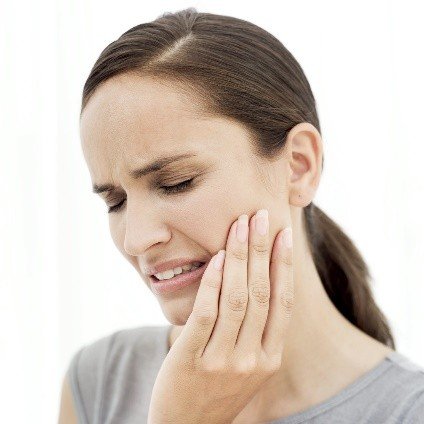
How to Reduce Tooth Sensitivity
Tooth sensitivity can be managed effectively with the right habits, products, and professional dental care. It occurs when the inner layer of your tooth — called dentin — becomes exposed, allowing hot, cold, sweet, or acidic triggers to reach your tooth’s nerve and cause sharp, sudden pain. If you’re experiencing tooth sensitivity in Calgary NW, here are the most effective ways to find relief.
What Causes Tooth Sensitivity?
Sensitivity most commonly develops when your gums recede and expose the dentin beneath your enamel. Dentin contains thousands of tiny tubules that connect directly to the nerve centre of your tooth (the pulp). When triggers such as hot coffee, cold ice cream, or acidic foods reach these tubules, they stimulate the nerve — causing that familiar sharp, shooting pain.
Common causes of tooth sensitivity include:
- Gum recession – exposing the sensitive root surface
- Enamel erosion – caused by acidic foods, drinks, or aggressive brushing
- Tooth grinding (bruxism) – wearing down enamel over time
- Cracked or chipped teeth – allowing triggers to reach the nerve
- Tooth decay or damaged fillings – leaving dentin unprotected
- Recent dental procedures – such as teeth whitening or cleanings (temporary sensitivity)
Proven Ways to Reduce Tooth Sensitivity
1. Use a Toothpaste Formulated for Sensitive Teeth
Desensitising toothpastes are one of the easiest first steps. Many contain potassium nitrate or stannous fluoride, which work by blocking the dentinal tubules or calming nerve activity. Results typically take two to four weeks of consistent use. They don’t work for everyone, but they’re a simple, accessible starting point available at most Calgary pharmacies.
2. Adjust Your Brushing Technique
Aggressive brushing with a hard-bristled toothbrush is one of the most common — and preventable — causes of enamel loss and gum recession. To protect your teeth:
- Switch to a soft-bristled toothbrush
- Brush gently using small, circular motions
- Brush for a full two minutes, twice daily
- Avoid scrubbing back and forth with force
These simple changes can make a measurable difference in reducing sensitivity over time.
3. Limit Acidic Foods and Drinks
Acidic substances gradually erode tooth enamel, increasing sensitivity with repeated exposure. Common culprits include:
- Carbonated soft drinks and sparkling water
- Red wine and fruit juices
- Citrus fruits such as oranges, lemons, and grapefruit
- Vinegar-based foods and condiments
After consuming acidic foods or drinks, rinse your mouth with water rather than brushing immediately — enamel is temporarily softened after acid exposure, and brushing too soon can cause additional wear.
4. Address Teeth Grinding (Bruxism)
Many people grind or clench their teeth during sleep without realising it. Over time, this wears away enamel and significantly increases sensitivity. If you suspect you grind your teeth, speak with your dentist about a custom-fitted night guard. This protective device cushions your teeth while you sleep and prevents further enamel loss.
5. Use Fluoride Rinses or Gels
Fluoride strengthens enamel and can help reduce sensitivity by remineralising areas of early erosion. Over-the-counter fluoride mouth rinses used daily can provide added protection. Your dentist may also apply professional-strength fluoride treatments during your regular teeth cleaning in Calgary for more targeted relief.
6. Maintain Regular Dental Hygiene Appointments
Professional cleanings and check-ups allow your dental hygienist to monitor gum health, spot early signs of recession or erosion, and provide personalised advice. Our dental hygienists at Expressions Dental in Calgary NW are experienced in identifying the underlying causes of sensitivity and recommending the most effective treatment options for your situation.
7. Consider Professional Dental Treatments
When sensitivity is persistent or severe, your dentist may recommend one or more of the following in-office treatments:
- Dental bonding or sealants – applied to exposed root surfaces to block tubules
- Gum grafting – to cover exposed roots caused by significant gum recession
- Composite white fillings – to restore areas damaged by decay or erosion
- Dental crowns – to cover and protect severely worn or cracked teeth
- Root canal treatment – in cases where sensitivity is caused by deep nerve involvement
Your licensed dentist will help determine which treatment is appropriate based on a thorough examination.
When Should You See a Dentist About Tooth Sensitivity?
You should book a dental appointment if:
- Sensitivity is severe or getting progressively worse
- Pain lingers for more than a few seconds after exposure to a trigger
- You notice sensitivity in one specific tooth rather than several
- Your sensitivity is accompanied by visible gum recession, swelling, or tooth discolouration
Persistent sensitivity in a single tooth may indicate a cavity, a cracked tooth, or nerve damage that requires professional attention. In some cases, a root canal treatment may be the appropriate solution to eliminate the pain and protect the tooth long-term.
Does Teeth Whitening Cause Sensitivity?
Yes — some patients experience temporary sensitivity following professional teeth whitening treatments. This is normal and typically resolves within 24 to 72 hours. If you’re concerned about sensitivity related to whitening, speak with your dentist before beginning treatment. At Expressions Dental Calgary NW, our team will assess your suitability and recommend the approach that minimises discomfort.
Talk to Expressions Dental in Calgary NW
Tooth sensitivity is common, but it doesn’t have to be a permanent part of your daily life. Whether you’re looking for simple at-home strategies or need professional treatment, the licensed dental team at Expressions Dental in Calgary NW is here to help you find lasting relief. We welcome new patients and families, and offer direct billing to most major insurance providers.
Ready to stop living with tooth pain? Book your appointment with Expressions Dental today and get the personalised care your smile deserves.
Frequently Asked Questions
What is the most common cause of tooth sensitivity?
The most common cause of tooth sensitivity is exposed dentin, which occurs when gum tissue recedes or enamel wears away. This exposes thousands of tiny tubules that connect to the tooth's nerve, making it reactive to hot, cold, sweet, or acidic stimuli. Aggressive brushing, acidic diets, and teeth grinding are frequent contributing factors.
How long does it take for sensitive toothpaste to work?
Most desensitising toothpastes require consistent use for two to four weeks before you notice a meaningful reduction in sensitivity. Results vary depending on the cause and severity of your sensitivity. If you see no improvement after a month of regular use, it's worth speaking with your dentist to explore other options.
Can tooth sensitivity go away on its own?
Temporary sensitivity — such as that following a dental procedure or after eating very cold foods — often resolves on its own within a short time. However, persistent or worsening sensitivity is unlikely to improve without addressing the underlying cause. A dental check-up is recommended if sensitivity continues for more than a few weeks.
Is tooth sensitivity a sign of something serious?
In many cases, tooth sensitivity is caused by manageable conditions such as enamel erosion or gum recession. However, sensitivity localised to one tooth can sometimes signal a cavity, a cracked tooth, or nerve involvement that requires professional treatment. If your pain is sharp, prolonged, or getting worse, see your dentist promptly.
Can teeth whitening make sensitivity worse?
Teeth whitening can cause temporary sensitivity, particularly if your enamel is already thin or your gums are slightly receded. This typically subsides within one to three days after treatment. Your dentist can advise on the safest whitening approach for your situation and recommend desensitising products to use beforehand or afterward.
What professional treatments are available for severe tooth sensitivity in Calgary NW?
A licensed dentist can offer several in-office treatments for persistent sensitivity, including fluoride varnishes, dental bonding to seal exposed root surfaces, composite fillings to repair erosion damage, dental crowns for worn teeth, and in more serious cases, root canal treatment. The right option depends on the specific cause identified during your examination.
How can I prevent tooth sensitivity from getting worse?
Switching to a soft-bristled toothbrush, using a desensitising toothpaste, limiting acidic foods and drinks, wearing a night guard if you grind your teeth, and attending regular professional cleanings are all effective preventive steps. Early intervention is key — the sooner the underlying cause is addressed, the easier sensitivity is to manage.