
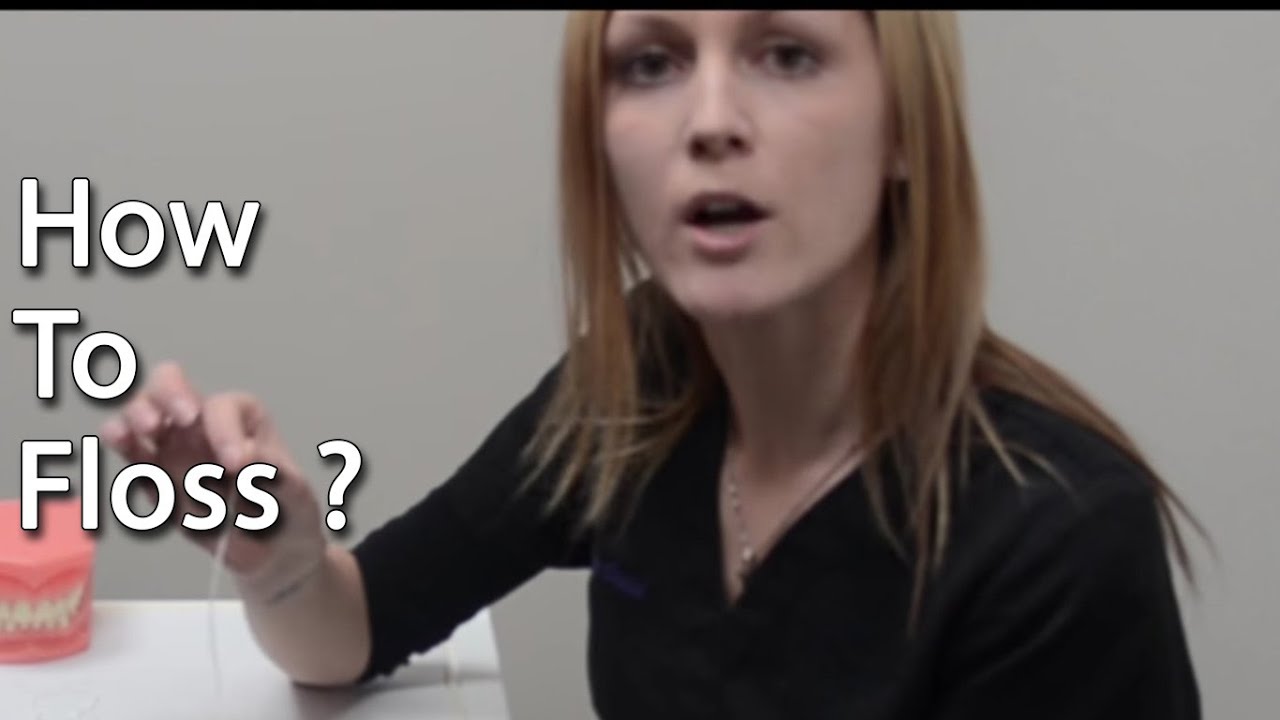
How to Floss Properly: A Step-by-Step Guide from a Licensed Dental Hygienist
Flossing once daily is one of the most effective things you can do to protect your oral health. It removes plaque and food debris from between your teeth and along the gumline — areas your toothbrush simply cannot reach. Done correctly and consistently, flossing significantly reduces your risk of gum disease, tooth decay, and bad breath.
In the video below, Expressions Dental’s licensed dental hygienist Tamara Weel walks you through the correct flossing technique and the important precautions every patient should know. Whether you are new to flossing or want to make sure your technique is right, this guide covers everything you need.
Why Flossing Matters for Your Oral Health
Brushing cleans the visible surfaces of your teeth, but roughly 40% of each tooth’s surface lies between adjacent teeth — areas only floss or an interdental cleaner can reach. When plaque is left undisturbed in these tight spaces, it hardens into tartar within 24 to 72 hours. Once tartar forms, it cannot be removed at home — only a professional teeth cleaning in Calgary can eliminate it safely and thoroughly.
Neglecting interdental cleaning is one of the leading causes of gingivitis and periodontal (gum) disease. Left untreated, gum disease can progress silently and lead to bone loss, tooth loosening, and eventual tooth loss. If you are already experiencing bleeding gums, tenderness, or persistent bad breath, our team at Expressions Dental Calgary NW offers dedicated periodontal care to help restore and maintain your gum health.
The good news: a consistent daily flossing habit takes less than two minutes and is one of the simplest ways to protect your smile for life.
Step-by-Step: The Correct Flossing Technique
Follow these steps — as demonstrated by licensed dental hygienist Tamara Weel — to floss effectively and safely.
Step 1: Use the Right Amount of Floss
Break off approximately 45 cm (18 inches) of floss. Wind most of it around the middle finger of one hand and the rest around the middle finger of your other hand. Leave about 3–5 cm of clean working floss between your index fingers and thumbs. This ensures you are always using a fresh section as you move from tooth to tooth.
Step 2: Hold the Floss Correctly
Hold the floss tightly between your thumbs and index fingers. Keep the working section of floss taut. Use your thumbs to guide the floss between your upper teeth and your index fingers to guide it between your lower teeth. Keeping the floss tight gives you the control you need to clean effectively without slipping.
Step 3: Slide Gently Between Your Teeth
Ease the floss gently between each pair of teeth using a zigzag or gentle back-and-forth motion. Never snap or force the floss down into your gums — this can cause unnecessary irritation or bleeding. If your teeth are tightly spaced, use a waxed floss, which glides more smoothly.
Step 4: Curve Around Each Tooth
Once the floss reaches the gumline, curve it into a C-shape around one tooth. Gently slide it into the space between the gum and tooth. Move the floss up and down against the side of the tooth — scraping the plaque away from the gum. Then repeat the C-shape curve on the adjacent tooth in the same gap.
Step 5: Use a Fresh Section for Each Tooth
As you move from tooth to tooth, wind the used floss onto one finger and unwind a fresh section from the other. This prevents you from reinserting the plaque and bacteria you just removed back into another space between your teeth.
Step 6: Don’t Forget the Back Teeth
The back molars are the most commonly skipped teeth — and among the most vulnerable to decay. Use your index fingers to guide the floss into these harder-to-reach areas. Take your time and work methodically around every tooth, including the very back surface of your last molar.
Step 7: Rinse After Flossing
After flossing, rinse your mouth thoroughly with water or an antibacterial mouthwash to flush away the dislodged plaque and bacteria. Floss before you brush so your toothbrush and fluoride toothpaste can clean any remaining debris from the tooth surfaces.
Important Precautions When Flossing
Flossing is safe for almost everyone, but there are a few important precautions to keep in mind.
- Some bleeding when you first start is normal. If your gums bleed when you floss, do not stop — this is often a sign of early gingivitis caused by plaque build-up. With consistent daily flossing, bleeding typically resolves within one to two weeks as gum health improves. If bleeding persists beyond two weeks, contact your dental team.
- Never use excessive force. Aggressive flossing can cut your gums, damage the gum tissue, or cause gum recession over time. Gentle, controlled movements are always more effective.
- Choose the right type of floss for your teeth. Waxed floss is easier to slide between tight contacts. Unwaxed floss may squeak when clean, which some patients find reassuring. Floss picks, water flossers, and interdental brushes are effective alternatives — especially for patients with braces, bridges, or limited dexterity.
- Floss around dental work carefully. If you have dental bridges, implants, or other restorations, ask your dental hygienist for specific guidance on how to clean around them safely. Floss threaders or superfloss are often recommended for these situations.
- Do not share floss. Floss is a single-use, personal hygiene item. Reusing or sharing floss transfers bacteria and defeats the purpose of cleaning.
- Children should begin flossing as soon as two teeth touch. A parent or caregiver should assist with flossing until the child has developed enough dexterity to do it independently — usually around age 8 to 10. Learn more about our dental care for children in Calgary.
How Often Should You Floss?
The Canadian Dental Association recommends flossing at least once per day. The best time to floss is before your evening brushing session, as this removes the day’s accumulated debris before you sleep — a period when saliva flow decreases and bacteria are most active.
If you find traditional flossing difficult due to dexterity challenges, dental work, or orthodontic appliances, speak with your dental hygienist in Calgary about alternative interdental cleaning tools that work for your specific situation.
Signs You May Need Professional Gum Care
Even with excellent flossing habits, professional care remains essential. Watch for these warning signs and book an appointment promptly if you notice any of them:
- Gums that bleed regularly, even after two weeks of consistent flossing
- Persistent bad breath or a bad taste in your mouth
- Red, swollen, or tender gum tissue
- Gums that appear to be pulling away from your teeth
- Loose or shifting teeth
- Pain when chewing
These can be signs of advancing gum disease that requires professional intervention. Our Calgary NW team at Expressions Dental is experienced in diagnosing and treating all stages of gum disease, from mild gingivitis to more advanced periodontitis.
Book Your Cleaning and Check-Up at Expressions Dental Calgary NW
Daily flossing is the foundation of a healthy smile — but it works best alongside regular professional care. At Expressions Dental in Calgary NW, our licensed dental hygienists provide thorough cleanings, personalised oral hygiene instruction, and gum health assessments to keep your entire family’s smiles in great shape.
Ready to take the next step? Book your professional teeth cleaning in Calgary today, or register as a new patient — we welcome patients of all ages at our Calgary NW clinic. Contact us at expressionsdental.ca or call us directly to schedule your appointment.
Frequently Asked Questions
How often should I floss my teeth?
You should floss at least once per day, ideally before your evening brushing session. Flossing at night removes the day's plaque and food debris before your mouth enters its overnight state, when saliva flow slows and bacteria become more active. Consistent daily flossing is one of the most effective ways to prevent gum disease and tooth decay between dental visits.
Why do my gums bleed when I floss?
Bleeding gums when you first start flossing — or when you floss irregularly — is usually a sign of mild gum inflammation (gingivitis) caused by plaque build-up along the gumline. In most cases, consistent daily flossing will resolve the bleeding within one to two weeks as the gum tissue becomes healthier. If your gums continue to bleed beyond two weeks of daily flossing, book an appointment with your dental team, as this may indicate a more advanced gum condition that requires professional care.
What is the correct way to floss around a dental bridge or implant?
Flossing around dental bridges and implants requires a slightly different approach than flossing natural teeth. A floss threader or superfloss is typically recommended to thread the floss underneath the bridge pontic (the artificial tooth) or around an implant crown. Your dental hygienist can show you the correct technique during your next visit. Using the right tools and method helps prevent plaque build-up around your dental work and protects the surrounding gum tissue.
Is a water flosser as effective as regular floss?
Water flossers are a helpful addition to your oral hygiene routine and can be particularly useful for patients with braces, bridges, implants, or limited hand dexterity. Research suggests they are effective at reducing gum inflammation and dislodging food debris. However, traditional string floss is still considered the most effective tool for disrupting and removing plaque from between teeth and along the gumline. Many dental professionals recommend using both for optimal interdental cleaning.
When should children start flossing?
Children should begin flossing as soon as two of their teeth touch and cannot be cleaned individually by a toothbrush — this can happen as early as age two or three. A parent or caregiver should help with flossing until the child has developed sufficient dexterity to do it independently, which is typically around age 8 to 10. Teaching good flossing habits early sets children up for a lifetime of healthy oral hygiene practices.
What type of floss is best for tight teeth or sensitive gums?
For teeth with tight contacts, waxed floss or PTFE (polytetrafluoroethylene) floss is generally easier to slide between teeth without shredding or snapping. If your gums are sensitive, look for a softer floss or consider using an interdental brush or water flosser as a gentler alternative. Your dental hygienist at Expressions Dental Calgary NW can recommend the best option based on your individual teeth and gum condition during your next hygiene appointment.
Can poor flossing habits affect my overall health?
Yes — research has linked untreated gum disease to a number of systemic health conditions, including cardiovascular disease, diabetes complications, and respiratory issues. The bacteria that accumulate between teeth when flossing is neglected can enter the bloodstream and contribute to inflammation throughout the body. This is why maintaining good interdental hygiene and attending regular professional teeth cleanings is important not just for your oral health, but for your overall wellbeing.