How Acidic Drinks Damage Children’s Teeth
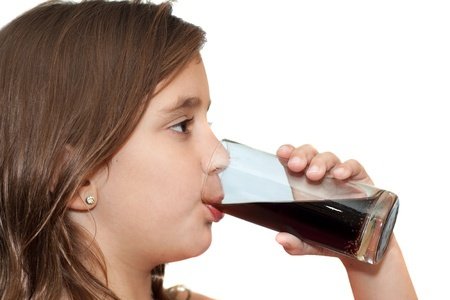
Acidic drinks (including soft drinks, sports drinks, and fruit juices) can permanently erode the enamel on your child’s teeth, causing damage that cannot be reversed. Every sip of a low-pH beverage is considered an acid attack on tooth enamel, and the effects are cumulative. Understanding how acid erosion works is one of the most important steps Calgary NW parents can take to protect their children’s long-term dental health.
What Is Tooth Erosion?
Tooth erosion is the chemical loss of enamel caused by acid. Unlike tooth decay, which is driven by bacteria, erosion is a direct chemical process that gradually dissolves the hard outer layer of the tooth. Common sources of acid that cause erosion include:
- Soft drinks and carbonated beverages (including diet varieties)
- Sports and energy drinks
- Fruit juices and flavoured drinks
- Acidic foods such as citrus fruits and vinegar-based snacks
- Stomach acid from acid reflux, frequent vomiting, or other medical conditions
While fluoride in community drinking water has significantly reduced rates of tooth decay across all age groups, tooth erosion is a growing and largely preventable concern, particularly among children and teenagers.
Why Even One Drink Can Cause Serious Damage
Many parents assume that occasional soft drinks are harmless, especially if their child brushes regularly. Unfortunately, the science tells a different story. A single bottle of soda or one sports drink, sipped slowly over several hours, can cause extensive and irreversible damage to tooth enamel.
Here is why prolonged sipping is especially harmful:
- Each sip resets the acid attack on the tooth surface
- Saliva normally helps neutralise acid in the mouth, but continuous sipping overwhelms this protective mechanism
- Once enamel is lost, the body cannot regrow it: the damage is permanent
It is also important to know that brushing immediately after an acid attack will not undo the damage. Waiting 30 to 60 minutes before brushing is advisable because the enamel surface is temporarily softened by acid and brushing too soon can accelerate its loss.
The “Triple Threat” to Children’s Teeth
Children and teenagers face a unique combination of risk factors that can dramatically increase the rate of enamel erosion:
- High-acidity drinks: Regular consumption of soft drinks, sports drinks, or juices
- Nighttime teeth grinding (bruxism): Many children grind their teeth while sleeping, which wears down enamel mechanically and accelerates the effects of acid erosion
- Undiagnosed acid reflux: Stomach acid that reaches the mouth during sleep or at rest further exposes teeth to acid, often without obvious symptoms
When these three factors combine, the rate of enamel loss can be significant, even in young children with otherwise healthy dental habits. If you notice signs such as teeth that appear increasingly translucent, yellowed, or sensitive to temperature, it is worth speaking to a licensed dentist as soon as possible. Our dental care for children in Calgary includes assessment for erosion and grinding, helping to catch these issues early.
How to Protect Your Child’s Teeth from Acid Erosion
The good news is that tooth erosion is largely preventable with simple, consistent habits. Here are the most effective strategies:
- Limit acidic drinks: Reduce or eliminate soft drinks, sports drinks, and undiluted fruit juice from your child’s daily routine
- Drink through a straw: Using a straw reduces direct contact between acidic liquid and tooth surfaces
- Rinse with water after acidic drinks: This helps neutralise acid and wash residue off the teeth
- Avoid sipping over long periods, If acidic drinks are consumed, they are better finished quickly rather than sipped over hours
- Wait before brushing: Allow at least 30–60 minutes after consuming acidic food or drink before brushing
- Choose water as the primary drink: Plain water, particularly Calgary’s fluoridated tap water, is the safest drink for teeth between meals
- Attend regular dental check-ups: Early detection of erosion allows for timely intervention before significant damage occurs
The Role of Regular Dental Check-Ups and Cleanings
Routine dental visits are essential for catching early signs of enamel erosion, teeth grinding, and other issues before they become serious. A professional teeth cleaning in Calgary also removes plaque and tartar that contribute to both decay and erosion, while giving your child’s dentist the opportunity to assess the overall health of their enamel and bite.
If your child is showing signs of significant enamel loss, a dentist may discuss protective treatments such as tooth-coloured fillings to restore worn or damaged surfaces and prevent further deterioration.
Book a Children’s Dental Check-Up at Expressions Dental in Calgary NW
If you are concerned about the effect of acidic drinks on your child’s teeth, or if you have noticed any changes in the appearance or sensitivity of their teeth, our team at Expressions Dental is here to help. We welcome patients of all ages and are accepting new patients at our Calgary NW clinic. Contact us today to book your child’s next check-up and take the first step toward a lifetime of healthy smiles.
Frequently Asked Questions
What drinks are most damaging to children's tooth enamel?
Soft drinks, sports drinks, energy drinks, and undiluted fruit juices are among the most damaging to children's tooth enamel due to their high acid content and low pH. Even drinks that appear healthy, such as fruit juice or flavoured water, can cause significant erosion over time. The damage is compounded when these drinks are sipped slowly over a long period rather than consumed quickly.
Can tooth enamel grow back after acid erosion?
No, once tooth enamel has been lost through acid erosion, it cannot regenerate because enamel contains no living cells. This makes prevention critically important, as the damage is permanent. A licensed dentist can recommend protective treatments to slow further erosion and restore damaged surfaces, but the original enamel cannot be recovered.
Is it safe for my child to have juice every day?
Frequent daily consumption of fruit juice, particularly when it is sipped throughout the day, poses a real risk to children's tooth enamel due to its natural acid and sugar content. Limiting juice to mealtimes, diluting it with water, or replacing it with water between meals can significantly reduce the risk of erosion and decay. Speaking with your child's dentist about their specific diet and dental health is always a good idea.
How do I know if my child's teeth are being affected by acid erosion?
Early signs of tooth erosion in children include increased sensitivity to hot or cold foods, teeth that look more transparent or yellowish than usual, and a generally worn or smooth appearance to the biting edges. If you notice any of these changes, it is important to book a dental check-up promptly. Early intervention can prevent the damage from progressing further.
Does teeth grinding make acid erosion worse in children?
Yes, teeth grinding (bruxism) and acid erosion together accelerate enamel loss significantly more than either condition alone. Grinding physically wears down the enamel, while acid weakens its structure, making it more vulnerable to further damage. Many children grind their teeth during sleep without being aware of it, so regular dental check-ups are important for early detection.
Should my child brush their teeth immediately after drinking a soft drink?
It is actually better to wait at least 30 to 60 minutes before brushing after consuming an acidic drink. Acid temporarily softens the enamel surface, and brushing immediately afterwards can cause additional enamel loss. Rinsing the mouth with plain water straight after the drink is a safer first step to help neutralise the acid.
How often should children visit the dentist to monitor for erosion?
Most children benefit from a dental check-up every six months, which gives a licensed dentist the opportunity to monitor enamel health, detect early signs of erosion or grinding, and provide guidance tailored to your child's habits and diet. If your child has known risk factors, such as frequent acidic drink consumption or acid reflux, more frequent visits may be recommended.
