Bad Habits That Damage Your Teeth and How to Break Them
Several common everyday habits can silently erode tooth enamel, inflame your gums, and lead to costly dental repairs over time. Identifying and eliminating these habits is one of the most effective steps you can take to protect your long-term oral health. If you are concerned about damage already done, the licensed dental team at Expressions Dental in Calgary NW can assess your smile and help you get back on track.
The Most Damaging Habits for Your Teeth
1. Drinking Soda Regularly
Both regular and diet sodas coat your teeth in sugar and acids throughout the day. This constant exposure gradually breaks down tooth enamel, significantly increasing your risk of cavities and sensitivity. If cutting out fizzy drinks entirely is not realistic, rinse your mouth with water after consuming them and avoid slow sipping over extended periods, which prolongs acid contact with your enamel.
2. Chewing Ice
Chewing ice is one of the leading causes of chipped and cracked teeth. The extreme hardness of ice places sudden, intense pressure on your enamel, which can fracture teeth or damage existing dental restorations such as fillings and crowns. If you have already cracked a tooth as a result, you may require a dental crown to restore its structure and function properly.
3. Grinding Your Teeth (Bruxism)
Teeth grinding, clinically known as bruxism, gradually wears down tooth enamel, causes jaw pain, and can contribute to TMJ disorders. Many people grind at night without realising it, often only becoming aware when a partner notices the noise or a dentist spots wear patterns during a check-up. A custom-fitted night guard from your dentist is the most effective solution for managing bruxism and protecting your teeth from further damage.
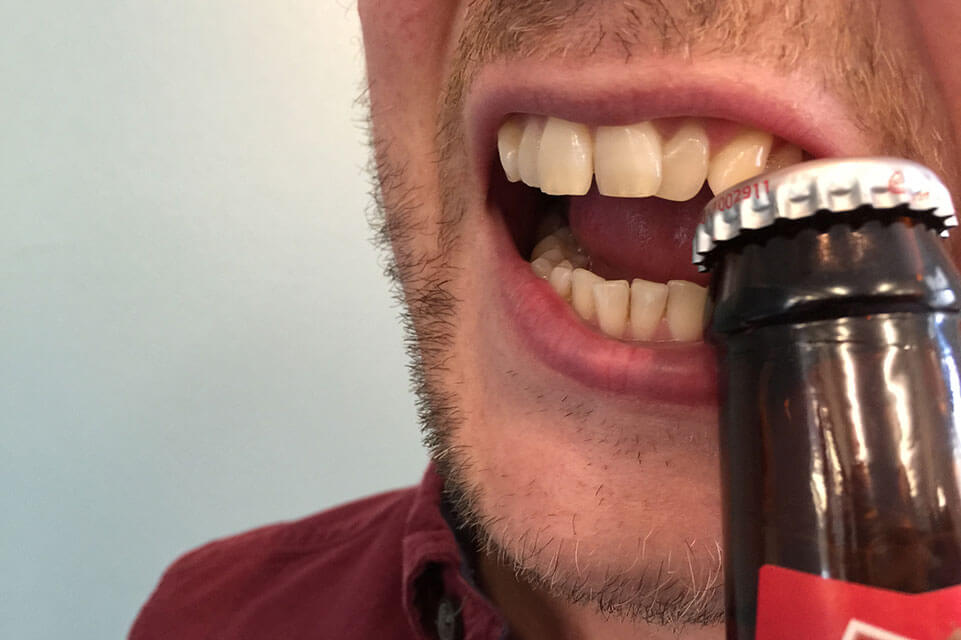
4. Using Your Teeth as Tools
Opening packaging, tearing tape, or biting off tags with your teeth may seem harmless, but it places unpredictable stress on enamel and can cause chips, cracks, or even a broken tooth. Always reach for scissors or the appropriate tool. Your teeth are designed for chewing food, not performing household tasks.
5. Nail Biting
Nail biting is a common stress-related habit that can chip front teeth, strain your jaw joints, and transfer harmful bacteria from your fingernails to your mouth. Over time, the repetitive pressure and jaw positioning required can also contribute to jaw misalignment and TMJ discomfort. Bitter-tasting nail polishes and stress management techniques are practical first steps toward breaking this habit.
6. Brushing Too Hard
Aggressive brushing may feel thorough, but it can wear away enamel and cause gum recession over time. Use a soft-bristled toothbrush and gentle, circular motions rather than harsh scrubbing. If your gums have already begun to recede, speak with your dentist about appropriate treatment options and proper brushing technique.
7. Skipping Regular Dental Cleanings
Avoiding routine dental visits allows plaque and tartar to accumulate in areas that regular brushing and flossing cannot reach. This buildup is a primary driver of gum disease and tooth decay. Regular professional teeth cleanings remove hardened tartar, give your dentist the opportunity to catch problems early, and are one of the simplest things you can do to maintain a healthy smile long term.
8. Smoking and Tobacco Use
Smoking and other forms of tobacco use stain teeth, cause persistent bad breath, accelerate gum disease, delay healing after dental procedures, and significantly increase the risk of oral cancer. Quitting tobacco is one of the single most impactful decisions you can make for your oral and overall health. Your dentist can refer you to cessation resources and monitor your oral health closely during the process.
9. Frequent Snacking on Sugary or Acidic Foods
Every time you eat, bacteria in your mouth produce acids that attack tooth enamel for up to 30 minutes afterward. Frequent snacking, particularly on sugary or acidic foods, means your teeth are under near-constant acid attack throughout the day. Limiting snacking, choosing tooth-friendly options such as cheese, nuts, and vegetables, and rinsing with water between meals can all significantly reduce your cavity risk.
10. Ignoring a Dental Emergency
Delaying treatment for a broken tooth, severe toothache, or lost restoration is a habit that can quickly turn a manageable problem into a complex one. Early intervention is almost always less invasive and less costly. If you experience a dental emergency in Calgary NW, emergency dental care is available at Expressions Dental: do not wait and hope it resolves on its own.
How to Build Healthier Dental Habits
Breaking damaging habits is easier with a structured approach. Consider the following steps:
- Identify your triggers: Understand when and why you engage in harmful habits, such as grinding during stress or reaching for soda out of routine.
- Replace, do not just remove: Swap ice chewing for cold water, nail biting for a stress ball, or soda for sparkling water with no added acid.
- Use protective devices: A custom night guard from your dentist can prevent bruxism damage while you address the underlying cause.
- Schedule regular dental visits: Routine check-ups allow your dental team to catch early warning signs and advise you on habit-related damage before it worsens.
- Speak openly with your dentist: Your dental team is not there to judge; they are there to help. Sharing your habits allows them to provide tailored guidance and appropriate treatment.
When Habit-Related Damage Has Already Occurred
If years of harmful habits have already affected your smile, there are effective restorative and cosmetic options available. Worn or chipped teeth may be restored with composite white fillings, dental crowns, or porcelain veneers. Stained teeth can often be significantly improved with professional whitening. Your licensed dentist will assess your individual situation and recommend the most appropriate treatment pathway for your needs and budget.
Protect Your Smile With Help From Expressions Dental Calgary
Your smile is worth protecting, and it is never too late to make positive changes. Whether you want to address existing damage, build better habits, or simply learn more about keeping your teeth healthy for life, the experienced team at Expressions Dental in Calgary NW is here to help. We welcome new patients and offer a comfortable, judgment-free environment for patients of all ages.
Book your appointment today at Expressions Dental Calgary and take the first step toward a healthier, stronger smile.
Frequently Asked Questions
What is the single worst habit for your teeth?
Teeth grinding (bruxism) is considered one of the most destructive habits because it continuously wears down enamel, strains the jaw joints, and can cause tooth fractures over time. Many people are unaware they grind at night, making regular dental check-ups essential for early detection. A custom night guard is the most effective way to manage bruxism and protect your teeth.
Can drinking soda really damage your teeth that much?
Yes, both regular and diet sodas are highly acidic and can erode tooth enamel even without added sugar. Diet sodas are not a safe alternative when it comes to enamel erosion, as the acid content is similarly damaging. Limiting consumption, using a straw, and rinsing with water afterwards can help reduce the impact on your teeth.
Is chewing ice bad for your teeth?
Chewing ice is one of the leading causes of chipped and cracked teeth, as the extreme hardness puts sudden pressure on enamel that it was not designed to withstand. It can also fracture existing fillings and crowns, leading to more extensive and costly repairs. If you habitually chew ice, speak with your Calgary NW dentist about strategies to break the habit and assess any existing damage.
How often should I visit the dentist to avoid habit-related damage?
Most adults benefit from a professional dental examination and cleaning every six months, though your dentist may recommend more frequent visits if you have specific risk factors such as bruxism, gum disease, or a history of cavities. Regular visits allow your dental team to detect early signs of habit-related damage, such as enamel wear or gum recession, before they progress to more serious problems.
Can damaged teeth from bad habits be fixed?
In most cases, yes. Depending on the extent of the damage, options include composite white fillings for minor chips, dental crowns for significantly worn or cracked teeth, and professional whitening for staining caused by tobacco or dietary habits. Your licensed dentist at Expressions Dental will recommend the most appropriate and cost-effective solution based on your individual situation.
Does brushing harder mean cleaner teeth?
No, brushing too hard is actually harmful. Aggressive brushing wears away enamel and causes gum recession, which can lead to sensitivity and increased cavity risk along the gumline. A soft-bristled toothbrush used with gentle, circular motions is far more effective and safer than hard scrubbing. If you are unsure about your technique, ask your dental hygienist at your next visit.
What should I do if I have already damaged my teeth through bad habits?
The first step is to book a comprehensive dental examination so your dentist can assess the extent of the damage and discuss your options. Restorative treatments such as fillings, crowns, and veneers can address many forms of habit-related damage. The sooner you seek care, the more conservative and affordable your treatment options are likely to be: do not wait for problems to worsen on their own.
