
Why Should You Get Dental Implants?
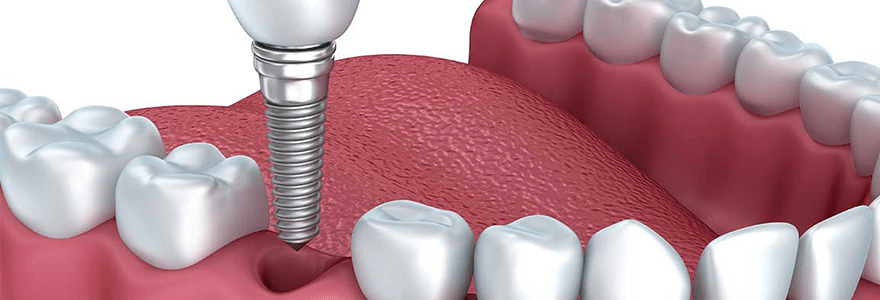
Dental implants are titanium tooth roots surgically placed into the jawbone to permanently support a replacement tooth, crown, bridge, or denture. They are widely considered the gold-standard solution for missing teeth because they restore full function, protect the jawbone, and look and feel like natural teeth. If you have a missing or broken tooth, replacing it promptly with a dental implant can prevent a cascade of oral health problems.
What Happens If You Leave a Missing Tooth Untreated?
Many patients underestimate the impact of a single missing tooth. Without a replacement, the surrounding teeth begin to drift, the jawbone starts to deteriorate, and your risk of developing further dental issues increases significantly. Here is what can happen when a missing tooth is left untreated:
- Shifting of adjacent teeth — Neighbouring teeth move into the vacant space, causing crowding or misalignment.
- Jawbone deterioration — Without a tooth root providing stimulation, the bone beneath begins to shrink and weaken.
- Increased risk of tooth decay — Crowded or shifted teeth are harder to clean, making cavities more likely.
- Difficulty chewing — Missing teeth affect bite function and can put strain on remaining teeth.
- Loss of facial structure — Bone loss over time can cause the face to appear sunken or aged.
Key Reasons to Choose Dental Implants
1. They Prevent Teeth From Shifting
When a tooth is lost, the teeth on either side gradually drift toward the empty space. Over time, this leads to crowding, misalignment, and uneven spacing — all of which increase the risk of tooth decay and gum disease. A dental implant in Calgary NW fills that gap immediately, holding neighbouring teeth firmly in their correct positions.
2. They Preserve Your Jawbone
One of the most significant — and often overlooked — benefits of dental implants is their ability to prevent jawbone loss. Unlike dental bridges or conventional dentures, which sit on top of the gum line, implants are anchored directly into the bone. This mimics the stimulation a natural tooth root provides, halting the bone resorption process and maintaining your facial structure for the long term.
3. They Support Long-Term Oral Health
Because a dental implant keeps adjacent teeth in place and preserves bone density, it has a positive ripple effect on your overall oral health. There is no need to file down neighbouring teeth (as with a bridge), and implants are easier to clean than other tooth replacement options. Combined with regular professional teeth cleaning and good home care, dental implants can last decades.
4. They Restore Natural Function and Appearance
Dental implants are designed to look, feel, and function exactly like your natural teeth. You can eat, speak, and smile with complete confidence. Because they are permanently anchored in the jaw, there is no slipping or discomfort associated with removable options. Patients who opt for implants consistently report improved quality of life and renewed confidence in their smile.
5. They Are a Durable, Long-Term Investment
With proper care, dental implants can last 20 years or more — often a lifetime. While the upfront cost may be higher than alternatives, their longevity and low maintenance requirements typically make them the most cost-effective tooth replacement solution over time. Ask your dentist at Expressions Dental about flexible dental financing options to make implants more accessible.
6. They Can Support Bridges and Dentures
Dental implants are not only used to replace single teeth. They can also be used to anchor dental bridges or implant-supported dentures, providing a far more stable and comfortable solution than traditional removable dentures. This makes implants a versatile option for patients who are missing multiple teeth.
Are You a Candidate for Dental Implants?
Most healthy adults with sufficient jawbone density are good candidates for dental implants. Your dentist will evaluate your bone structure, gum health, and overall medical history before recommending treatment. Patients who have experienced significant bone loss may first require a bone grafting procedure to ensure the implant has adequate support. A thorough consultation at our Calgary NW clinic will determine the best approach for your individual needs.
Ready to Restore Your Smile in Calgary NW?
At Expressions Dental, our licensed dental team provides comprehensive implant consultations and treatments for patients throughout Calgary NW. Whether you have a single missing tooth or require a full-arch solution, we will create a personalised treatment plan designed around your oral health goals and budget. Learn more about our dental implant services or contact us today to book your consultation.
Frequently Asked Questions
What exactly is a dental implant and how does it work?
A dental implant is a small titanium post that is surgically placed into the jawbone to act as an artificial tooth root. Once the implant bonds with the bone through a process called osseointegration, a crown, bridge, or denture is attached on top. The result is a stable, permanent tooth replacement that looks and functions like a natural tooth.
How long do dental implants last?
With proper oral hygiene and regular dental check-ups, dental implants can last 20 years or more — and in many cases, a lifetime. The implant post itself is designed to be permanent, while the crown attached to it may need to be replaced after 10 to 15 years depending on wear.
Is the dental implant procedure painful?
The implant procedure is performed under local anaesthetic, so most patients experience little to no discomfort during the surgery itself. Some soreness and swelling are normal in the days following placement, but this is typically manageable with over-the-counter pain relief. Your dentist can also discuss sedation options if you have dental anxiety.
Can I get a dental implant if I have bone loss in my jaw?
Bone loss does not necessarily disqualify you from receiving a dental implant, but it may mean you need a bone graft before the implant can be placed. Your dentist will take dental X-rays and assess your bone density during your consultation to determine whether bone grafting is required and outline the full treatment process.
How do dental implants compare to dental bridges or dentures?
Unlike dental bridges, implants do not require the adjacent teeth to be filed down, and unlike dentures, they do not slip or require adhesives. Most importantly, implants are the only tooth replacement option that stimulates the jawbone and prevents bone loss. While they may cost more initially, their durability and oral health benefits typically make them the superior long-term investment.
How do I care for a dental implant?
Caring for a dental implant is straightforward — brush twice daily, floss regularly, and attend your scheduled professional cleanings. Implants cannot decay like natural teeth, but the gum tissue surrounding them still requires attention to prevent a condition called peri-implantitis (gum disease around the implant). Routine check-ups at your Calgary NW dental clinic are essential to ensure your implant remains healthy.
How much do dental implants cost in Calgary, and is financing available?
The cost of dental implants in Calgary varies depending on the number of implants, any preparatory procedures such as bone grafting, and the type of restoration used. Expressions Dental offers flexible dental financing options to help make implants more affordable. We also accept many insurance plans and provide direct billing — contact our team to discuss your coverage and payment options.