
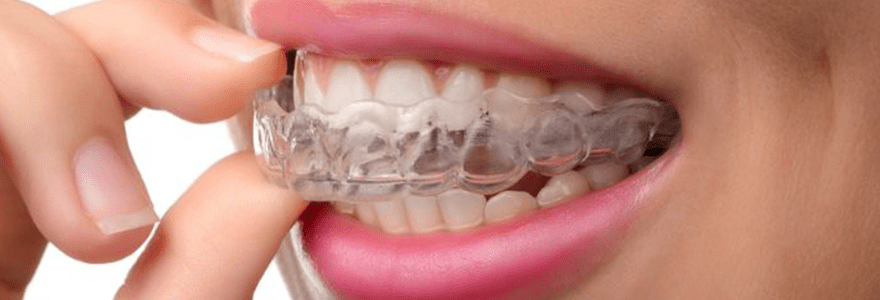
How Mouthguards Protect Your Teeth and Jaw During Sports
A mouthguard is a removable oral appliance worn over the teeth to absorb and distribute the force of impact during sports or recreational activities. It helps prevent broken teeth, jaw fractures, soft tissue injuries, and may reduce the risk of concussion. For active individuals and families in Calgary NW, wearing a properly fitted mouthguard is one of the simplest and most cost-effective ways to protect long-term dental health.
Why Playing Without a Mouthguard Puts Your Smile at Risk
A single blow to the face during contact sport can result in injuries that are painful, time-consuming to treat, and expensive to repair. The Canadian Dental Association recommends mouthguards for any sport that involves physical contact, collision, or the risk of a fall. Without adequate protection, athletes of all ages face a significantly higher risk of preventable dental trauma.
Common injuries that occur without a mouthguard include:
- Broken or chipped teeth — often requiring restoration with composite white fillings or dental crowns
- Knocked-out teeth — a dental emergency requiring immediate care from an emergency dental provider
- Jaw fractures and TMJ injuries — which can lead to chronic pain and bite problems requiring TMJ treatment
- Lacerations to the lips, tongue, and inner cheeks
- Increased concussion risk from direct impact to the jaw and skull
Investing in a mouthguard today is far less costly — and far less painful — than treating a preventable dental injury down the road.
The Three Types of Mouthguards
Not all mouthguards provide the same level of protection. There are three main types available to Canadians, each with different levels of fit, comfort, and effectiveness.
1. Stock (Ready-Made) Mouthguards
Stock mouthguards are pre-formed and sold at most sporting goods stores. They are the least expensive option but offer minimal protection because they cannot be adjusted to fit your mouth. Many wearers find them bulky and uncomfortable, which means they are less likely to be worn consistently.
2. Boil-and-Bite Mouthguards
Boil-and-bite mouthguards are softened in hot water, then moulded around the teeth by biting down. They offer a better fit than stock versions and are widely available at pharmacies and sports retailers across Calgary. However, the fit is still approximate, and they tend to degrade with repeated use, reducing their protective value over time.
3. Custom-Fitted Mouthguards
Custom mouthguards are fabricated by a dental clinic using precise impressions of your teeth. They offer the best fit, comfort, and protection available. Because they fit securely, they are less likely to interfere with breathing or speaking, and athletes are far more likely to wear them during every game and practice. For children and adults in Calgary who participate in sports regularly, a custom mouthguard is the most reliable investment in dental safety.
Who Should Wear a Mouthguard?
Mouthguards are recommended for athletes of all ages and skill levels. They are particularly important for anyone participating in:
- Hockey, ringette, and lacrosse
- Football, rugby, and wrestling
- Basketball, soccer, and volleyball
- Martial arts and boxing
- Skiing, snowboarding, and cycling
- Any recreational activity with a risk of falls or collisions
Children are especially vulnerable to dental sports injuries, as their teeth and jaws are still developing. A custom-fitted mouthguard from your dental clinic ensures a proper fit as your child grows. Learn more about how we support younger patients through our dental care for children programme.
Mouthguards and Concussion Prevention
Research suggests that properly fitted mouthguards may help reduce the transmission of impact forces through the jaw to the skull, potentially lowering the risk or severity of concussions. While a mouthguard is not a substitute for a properly fitted helmet, it is considered an important component of a complete sports safety strategy. Athletes who wear custom mouthguards report greater comfort and are more likely to keep them in throughout play — which is where the real protection comes from.
Caring for Your Mouthguard
To keep your mouthguard clean, effective, and long-lasting, follow these simple care guidelines:
- Rinse your mouthguard with cool water before and after each use
- Clean it with a soft toothbrush and mild soap — avoid hot water, which can distort its shape
- Store it in a ventilated, hard-sided case when not in use
- Keep it out of direct sunlight and away from heat sources
- Bring it to your dental appointments so your dentist can check its fit and condition
- Replace it if it becomes torn, ill-fitting, or shows signs of significant wear
Children’s mouthguards may need to be replaced more frequently as their mouths change with growth and new permanent teeth come in. Regular family dental care appointments are a good opportunity to have your mouthguard assessed at the same time.
What Happens If You Suffer a Dental Sports Injury?
Even with proper protection, accidents can happen. If you or your child experiences a dental injury during sport, it is important to seek care as quickly as possible. A knocked-out permanent tooth has the best chance of being saved if reimplanted within 30 to 60 minutes. If you are in Calgary NW and need urgent dental attention, our emergency dentist is available to help with prompt, compassionate care.
Get a Custom Mouthguard at Expressions Dental in Calgary NW
At Expressions Dental, our licensed dental team provides custom-fitted mouthguards for children, teens, and adults throughout Calgary NW. Whether you are new to sports or a seasoned athlete, we will take precise impressions of your teeth and create a mouthguard that fits comfortably, stays in place, and provides reliable protection every time you play.
Contact Expressions Dental today to book your appointment or ask about mouthguards at your next visit. You can also explore our new patients welcome page if you are looking for a dental home for your family in Calgary.
Frequently Asked Questions
What type of mouthguard offers the best protection for sports?
Custom-fitted mouthguards made by a dental clinic offer the highest level of protection, comfort, and durability. Unlike stock or boil-and-bite options, they are fabricated from precise impressions of your teeth, so they fit securely without interfering with breathing or speaking. Athletes are far more likely to wear a mouthguard consistently when it fits well — and consistent wear is what prevents injuries.
At what age should children start wearing a mouthguard?
Children should begin wearing a mouthguard as soon as they start participating in contact or collision sports, which for many kids is as early as age five or six. Because children's mouths change rapidly as they grow and their permanent teeth come in, their mouthguard should be checked and replaced regularly. A custom-fitted mouthguard from a dental clinic will account for current tooth positioning and jaw size.
Can I wear a mouthguard if I have braces?
Yes, and it is especially important to do so. Athletes with braces are at higher risk of soft tissue injuries from the metal brackets and wires during impact. Your dental or orthodontic provider can make a mouthguard designed to fit over braces, protecting both your teeth and the soft tissues of your mouth. Do not use a standard boil-and-bite mouthguard over braces, as it can damage the orthodontic hardware.
Do mouthguards really help prevent concussions?
Research indicates that properly fitted mouthguards may help reduce the force transmitted through the jaw to the skull during impact, which could lower the risk or severity of a concussion. However, a mouthguard should be used as part of a broader safety strategy that includes a properly fitted helmet and appropriate protective gear. It is not a standalone concussion prevention device.
How often should I replace my mouthguard?
Most mouthguards should be replaced every one to two sports seasons, or sooner if they show signs of tearing, distortion, or no longer fit properly. Children's mouthguards may need to be replaced more frequently due to ongoing jaw growth and changes in dentition. Bring your mouthguard to your regular dental appointment so your dentist can assess its condition and fit.
What should I do if a tooth gets knocked out during sport?
If a permanent tooth is knocked out, handle it by the crown only — never the root — and rinse it gently with clean water without scrubbing. If possible, place it back in the socket or store it in milk or saliva to keep it moist. Seek emergency dental care immediately, as the tooth has the best chance of survival when reimplanted within 30 to 60 minutes. Contact our emergency dentist in Calgary NW right away for urgent assistance.
How much does a custom mouthguard cost compared to treating a dental injury?
A custom mouthguard from a dental clinic is a modest investment compared to the cost of treating a dental sports injury. Restoring a broken tooth with a crown, replacing a knocked-out tooth with a dental implant, or managing a jaw injury can cost several hundred to several thousand dollars — plus the time and discomfort involved in multiple appointments. Many dental insurance plans in Canada also provide partial coverage for custom mouthguards, making them even more accessible.