
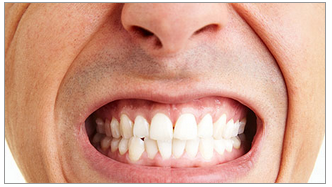
What Is Teeth Grinding (Bruxism) and How Can You Stop It?
Teeth grinding, clinically known as bruxism, is an involuntary habit of clenching or grinding your teeth that can occur during sleep or while awake. It can develop at any age and, if left untreated, may lead to significant tooth wear, jaw pain, and damaged restorations. The good news is that with the right diagnosis and treatment plan, bruxism is very manageable.
What Causes Teeth Grinding?
Bruxism rarely has a single cause. A licensed dentist will evaluate your full oral and medical history to identify what is driving the habit. Common contributing factors include:
- Stress and anxiety – Emotional tension is one of the most frequently identified triggers for both sleep and awake bruxism.
- Sleep disorders – People who snore or experience obstructive sleep apnoea are at a higher risk of grinding their teeth.
- Lifestyle factors – Smoking, heavy alcohol consumption, and high caffeine intake have all been linked to increased bruxism activity.
- Depression – Mood disorders can affect muscle tension and sleep quality, both of which influence grinding behaviour.
- Misaligned or damaged teeth – Structural issues in the bite can cause the jaw to seek a more comfortable resting position, resulting in grinding.
- Certain medications – Some stimulants and antidepressants may increase the likelihood of bruxism as a side effect.
Signs You May Be Grinding Your Teeth
Because bruxism often happens during sleep, many people are unaware they are doing it. Watch for these common warning signs:
- Waking up with a sore jaw, headache, or facial pain
- Teeth that appear flattened, chipped, or worn down
- Increased tooth sensitivity
- Tight or tired jaw muscles throughout the day
- A partner telling you that you grind your teeth at night
- Pain or discomfort in the temporomandibular joint (TMJ) area
If you are experiencing jaw joint discomfort alongside grinding, our page on TMJ Treatment in Calgary NW provides further information on how these conditions are connected and treated.
Treatment Options for Bruxism
Effective treatment depends on identifying the underlying cause. A licensed dentist at Expressions Dental will conduct a comprehensive examination to determine which approach, or combination of approaches, is most appropriate for you.
1. Occlusal Appliances (Night Guards and Splints)
The most common first-line treatment is a custom-made occlusal appliance — also referred to as a night guard, bite guard, bite plate, or bruxism splint. These are precision-fitted, removable plastic devices that sit over your upper or lower teeth. They work by:
- Creating a protective barrier that prevents tooth-to-tooth contact
- Reducing strain on the jaw muscles and TMJ
- Minimising the risk of tooth fracture and enamel wear
Custom appliances from your dentist fit far more accurately and comfortably than over-the-counter alternatives and are typically worn at bedtime. Store-bought guards may not provide the proper fit needed to protect your bite effectively.
2. Stress and Anxiety Management
When stress or anxiety is identified as a primary driver of bruxism, behavioural strategies can make a significant difference. Options may include:
- Relaxation techniques such as deep breathing or progressive muscle relaxation
- Mindfulness meditation and guided sleep practices
- Cognitive behavioural therapy (CBT) or psychotherapy referrals
- Physical activity and lifestyle adjustments to reduce overall tension
3. Dental Corrections for Structural Issues
If your bruxism is related to a misaligned bite or damaged teeth, correcting the underlying dental problem may reduce or eliminate grinding. Depending on your situation, your dentist may recommend:
- Dental crowns to restore teeth that have been worn down or fractured due to grinding
- Invisalign or orthodontic treatment to correct bite misalignment that may be contributing to the habit
- Composite white fillings to rebuild minor tooth damage caused by grinding
4. Reducing Stimulants and Depressants
Limiting or eliminating caffeine, alcohol, and tobacco — particularly in the hours before bedtime — can meaningfully reduce the severity of bruxism. If a medication is suspected to be contributing to your grinding, speak with your prescribing physician about possible alternatives.
5. Anti-Wrinkle Treatments for Jaw Muscle Tension
In some cases, licensed dental professionals may recommend anti-wrinkle treatments injected into the masseter (jaw) muscles to reduce their activity. This can relieve muscle-related jaw pain and help break the grinding cycle in patients who have not responded fully to other treatments.
How a Dentist Diagnoses Bruxism
Your dentist will look for physical evidence of bruxism during a routine dental examination — including wear patterns on the teeth, muscle tenderness, and changes to existing restorations. Digital X-rays may also be used to assess any bone or root changes associated with prolonged clenching. Early detection through regular dental visits is key to preventing long-term damage.
Can Children Grind Their Teeth?
Yes — bruxism is actually quite common in children, particularly during periods of tooth development or times of stress. In many cases, childhood bruxism resolves on its own as permanent teeth come in. However, if your child is showing signs of grinding, it is worth discussing with a dentist. Learn more about dental care for children in Calgary and how we support young patients at every stage of their development.
Protect Your Smile From the Effects of Bruxism in Calgary NW
Untreated bruxism can cause progressive tooth damage that becomes more complex and costly to repair over time. Whether you are waking up with jaw pain, noticing wear on your teeth, or have been told you grind at night, the licensed dental team at Expressions Dental in Calgary NW is here to help. We offer thorough examinations, custom night guards, and personalised treatment plans to protect your teeth and relieve discomfort.
Book your appointment today by visiting expressionsdental.ca or calling our Calgary NW clinic. New patients are always welcome.
Frequently Asked Questions
What is bruxism and is it serious?
Bruxism is the medical term for teeth grinding or jaw clenching, which can happen during sleep or while awake. It is considered a serious dental concern because, over time, it can wear down tooth enamel, cause fractures, damage dental restorations, and lead to jaw joint pain. Early treatment significantly reduces the risk of long-term damage.
How do I know if I grind my teeth at night?
Common signs include waking up with a sore jaw, headaches, or facial tension, as well as noticing that your teeth look flattened or chipped. Your dentist can also identify wear patterns and other physical signs of bruxism during a routine examination, even if you have never noticed symptoms yourself.
What is a night guard and will it stop my grinding?
A night guard is a custom-fitted oral appliance made from durable plastic that fits over your upper or lower teeth while you sleep. It does not stop the grinding behaviour itself, but it creates a protective barrier that prevents tooth damage, reduces jaw muscle strain, and helps relieve associated pain.
Can stress really cause teeth grinding?
Yes — stress and anxiety are among the most common triggers for bruxism. When stress is identified as the primary cause, your dentist may recommend a combination of a custom night guard and behavioural strategies such as relaxation techniques, mindfulness, or referral for therapy to address the root cause.
Are there lifestyle changes that can help reduce teeth grinding?
Reducing caffeine and alcohol intake — especially in the evening — and quitting smoking can all help lessen the frequency and intensity of grinding. Establishing a calming bedtime routine, limiting screen time before sleep, and managing stress through exercise or meditation are also beneficial habits.
Can teeth grinding be fixed with dental treatment?
If your grinding is linked to a misaligned bite or damaged teeth, dental treatments such as crowns, Invisalign, or composite fillings may help resolve the issue by correcting the underlying structural problem. Your licensed dentist at Expressions Dental will assess whether a restorative or orthodontic approach is appropriate for your situation.
Where can I get treated for teeth grinding in Calgary NW?
Expressions Dental, located in Calgary NW, offers comprehensive assessments for bruxism, including custom night guards and personalised treatment plans. Our licensed dental team can identify the cause of your grinding and recommend the most effective combination of treatments to protect your smile.