
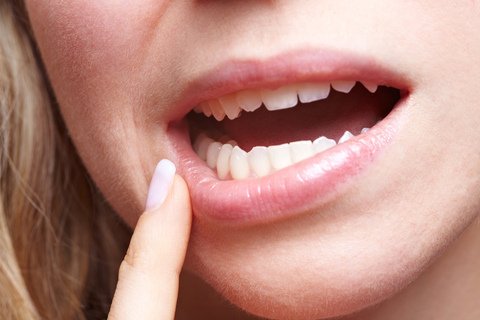
How to Fight Gingivitis: Oral Health Tips That Work
Gingivitis is an early, reversible form of gum disease that causes red, swollen, and bleeding gums — and it affects many Canadians who otherwise maintain reasonable oral hygiene habits. The good news is that with the right techniques and a consistent daily routine, gingivitis can be controlled and even reversed before it progresses into a more serious condition. Understanding what gingivitis is and how to fight it can make a meaningful difference to your long-term oral health.
What Is Gingivitis?
Gingivitis is caused by a build-up of plaque — a sticky film of bacteria — along the gumline. When plaque is not removed through regular brushing and flossing, it irritates the gum tissue, leading to inflammation. Common signs include:
- Red or puffy gums
- Gums that bleed during brushing or flossing
- Persistent bad breath
- Gums that feel tender or sensitive to the touch
If left untreated, gingivitis can progress to periodontitis — a more advanced form of gum disease that damages the bone and tissues supporting your teeth, and is a leading cause of adult tooth loss in Canada. Early intervention through periodontal care is essential to protecting your smile.
Proven Tips for Fighting Gingivitis at Home
1. Brush for the Full Two Minutes
Many people underestimate how long they actually spend brushing. Aim for at least two minutes, twice daily — morning and before bed. Divide your mouth into four sections (upper right, upper left, lower right, lower left) and spend 30 seconds on each. Use a soft-bristled toothbrush and gentle, circular motions to clean along and just below the gumline where plaque tends to accumulate.
2. Floss Every Day — Without Exception
Brushing alone cannot reach the spaces between teeth where plaque and food debris collect. Daily flossing is one of the single most effective habits you can adopt to prevent gingivitis. If traditional floss is difficult to use, try interdental brushes, floss picks, or a water flosser as an alternative.
3. Use an Anti-Gingivitis Mouth Rinse
Adding a therapeutic mouth rinse to your daily routine provides an extra layer of protection against plaque and gingivitis. Look for a rinse that is specifically formulated to fight gingivitis and carries the Canadian Dental Association (CDA) seal. Rinsing after brushing and flossing helps reach areas that other tools may miss.
4. Eat a Balanced, Gum-Friendly Diet
What you eat has a direct impact on your gum health. Diets high in sugar and refined carbohydrates feed the bacteria responsible for plaque formation. Prioritise:
- Calcium-rich foods such as dairy, leafy greens, and almonds to strengthen teeth and bone
- Crunchy vegetables like carrots and celery, which naturally help clean tooth surfaces
- Vitamin C sources such as citrus fruits and bell peppers, which support gum tissue health
- Water to rinse away food particles and maintain saliva production
5. Quit Smoking or Using Tobacco Products
Tobacco use is one of the most significant risk factors for gum disease. Smoking reduces blood flow to the gums, impairs healing, and masks the visible signs of gingivitis — making it harder to detect. If you smoke, reducing or quitting significantly improves your gum health and your body’s ability to respond to treatment.
6. Stay on Top of Professional Cleanings
Even with excellent home care, plaque can harden into tartar (calculus), which cannot be removed by brushing or flossing alone. Professional teeth cleanings performed by a licensed dental hygienist remove tartar build-up, clean below the gumline, and give your care team the opportunity to spot early signs of gingivitis before they worsen.
At Expressions Dental in Calgary NW, our licensed dental hygienists offer thorough teeth cleaning in Calgary and are trained to provide personalised guidance based on your unique gum health needs. We also offer Guided Biofilm Therapy (GBT) — a gentle, evidence-based cleaning approach that is particularly effective at targeting the biofilm associated with gingivitis.
How Often Should You See a Dentist If You Have Gingivitis?
Most patients benefit from a professional dental examination and cleaning every six months. However, if you have active gingivitis or are prone to gum issues, your dentist or hygienist in Calgary NW may recommend more frequent visits — sometimes every three to four months — until your gum health stabilises. Consistent professional oversight is the most reliable way to prevent gingivitis from progressing.
You can learn more about what to expect from routine visits through our dental hygienist services in Calgary.
When Is Gingivitis More Than Just Gingivitis?
Bleeding gums and gum tenderness can occasionally indicate other underlying health concerns, including diabetes, nutritional deficiencies, or hormonal changes. If your symptoms persist despite improved home care, or if you notice significant gum recession, loose teeth, or persistent pain, it is important to book an appointment promptly. These may be signs that the condition has progressed beyond gingivitis and requires a more comprehensive evaluation.
Take the Next Step Toward Healthier Gums
Gingivitis is one of the most common — and most preventable — oral health conditions. With the right daily habits and regular professional support, most patients can achieve healthy, stable gums within weeks. If you are concerned about gum disease, or if it has been a while since your last cleaning, the team at Expressions Dental in Calgary NW is here to help.
Book your appointment today by visiting expressionsdental.ca or contacting our friendly front desk. We welcome new patients and families across Calgary NW.
Frequently Asked Questions
What are the early signs of gingivitis I should watch for?
The most common early signs of gingivitis include red or swollen gums, bleeding when you brush or floss, persistent bad breath, and gums that feel tender or sensitive. If you notice any of these symptoms, it is a good idea to book a dental appointment sooner rather than later, as gingivitis is much easier to treat in its early stages.
Can gingivitis be reversed without seeing a dentist?
Mild gingivitis can often be significantly improved through diligent brushing, daily flossing, and use of an anti-gingivitis mouth rinse at home. However, once plaque hardens into tartar, it can only be removed by a licensed dental hygienist. Seeing your dentist or hygienist for a professional cleaning is essential to fully reversing gingivitis and confirming that your gum health is on track.
How long does it take to get rid of gingivitis?
With consistent home care and a professional cleaning, many patients see noticeable improvement in their gum health within two to four weeks. The timeline depends on the severity of the inflammation and how consistently you follow your oral hygiene routine. Your dental team may recommend a follow-up visit to assess your progress.
Is gingivitis the same as gum disease?
Gingivitis is the earliest stage of gum disease, but it is reversible and has not yet caused damage to the bone or connective tissue supporting your teeth. If gingivitis is left untreated, it can progress to periodontitis — a more advanced and harder-to-treat form of gum disease that can lead to tooth loss. Early treatment is key to preventing this progression.
What is the difference between a regular cleaning and periodontal treatment?
A regular professional cleaning (prophylaxis) is performed above and just below the gumline and is appropriate for patients with healthy gums or mild gingivitis. Periodontal treatment — such as scaling and root planing — goes deeper below the gumline to remove tartar and bacteria from the roots of teeth and is used when gum disease has progressed. Your hygienist will recommend the appropriate treatment based on your gum health assessment.
Does diet really affect my risk of getting gingivitis?
Yes — diet plays a meaningful role in gum health. Foods high in sugar and refined carbohydrates fuel the bacteria that produce plaque, which is the primary cause of gingivitis. On the other hand, foods rich in vitamin C, calcium, and fibre support healthy gum tissue and can help reduce inflammation. Drinking plenty of water throughout the day also helps rinse away food particles and maintain saliva flow.
How do I book a teeth cleaning or gum health assessment at Expressions Dental in Calgary NW?
You can book an appointment at Expressions Dental by visiting expressionsdental.ca or calling our Calgary NW clinic directly. We welcome new patients and offer flexible scheduling to suit your needs. Whether you are due for a routine cleaning or are concerned about gingivitis symptoms, our licensed dental team is ready to help.