
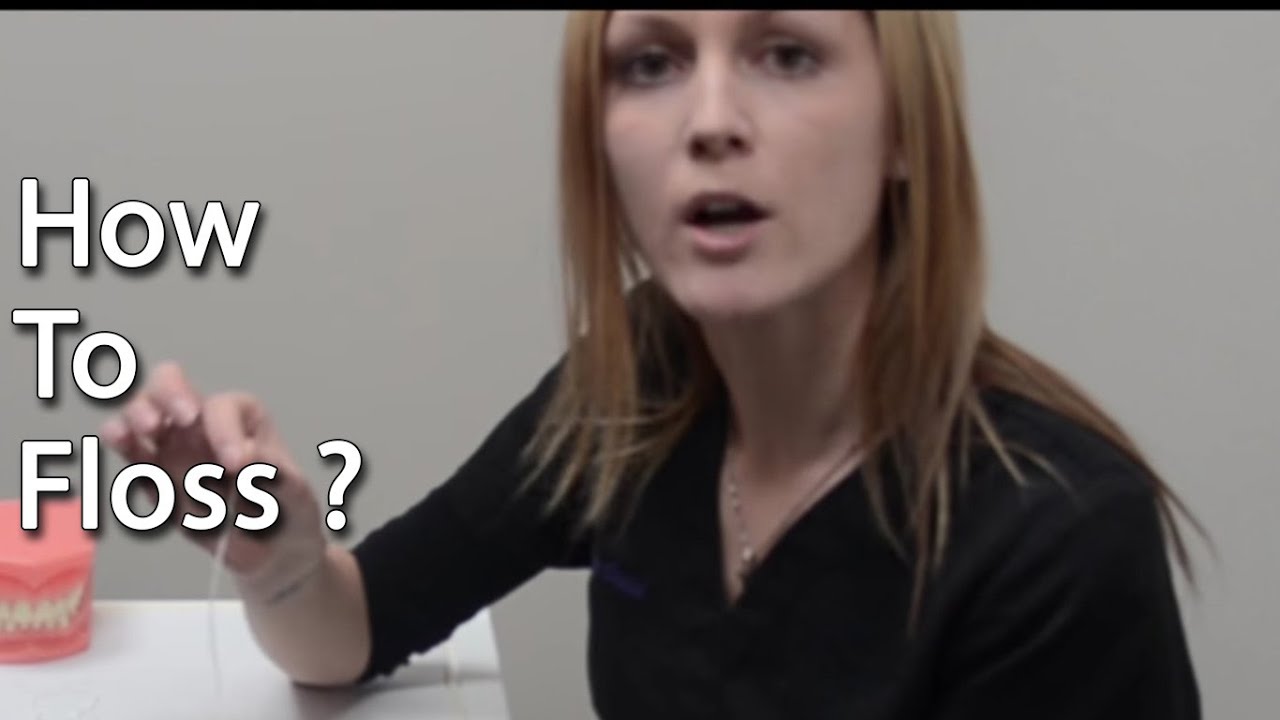
How to Floss Properly and What Precautions to Take
Flossing once daily removes plaque and food debris from between your teeth and along the gumline — areas your toothbrush simply cannot reach. Done correctly, it significantly reduces your risk of cavities, gum disease, and bad breath. Done incorrectly, it can irritate or damage your gums, which is why technique and precautions matter.
Why Flossing Is Essential for Your Oral Health
Brushing alone cleans roughly 60% of tooth surfaces. The remaining 40% — the tight spaces between teeth — can only be cleaned effectively with floss or an interdental cleaner. When plaque is left to build up in these areas, it hardens into tartar and contributes to gingivitis, periodontal disease, and tooth decay.
Regular flossing, combined with professional teeth cleaning in Calgary, forms the foundation of a strong preventive oral hygiene routine.
What Type of Floss Should You Use?
There is no single “best” floss — the right choice depends on your teeth spacing, gum sensitivity, and personal preference. Here are the most common options:
- Waxed floss: Slides more easily between tight contact points; a good starting choice for most people.
- Unwaxed floss: Slightly thinner; can squeak against clean teeth, indicating good plaque removal.
- Floss picks / floss sticks: Convenient for travel or for those with limited dexterity; less flexible than traditional floss.
- Dental tape: Broader and flatter; ideal if you have wider gaps between teeth or find standard floss shreds easily.
- Water flossers: Use a pressurised stream of water to flush debris; excellent for people with braces, dental implants, or bridges, though they should complement rather than replace traditional floss.
- Interdental brushes: Small brushes that fit between teeth; particularly effective for larger gaps or around orthodontic appliances.
If you are unsure which type suits you best, ask your dental hygienist at your next visit. Our dental hygienists in Calgary are happy to make personalised recommendations based on your oral anatomy and health history.
Step-by-Step: How to Floss Correctly
Follow these steps to floss effectively without harming your gums:
Step 1 – Choose the Right Length
Break off approximately 45–50 cm (18 inches) of floss. This gives you enough clean floss to use a fresh section between each pair of teeth.
Step 2 – Wind and Secure the Floss
Wind most of the floss around the middle finger of one hand and the remainder around the same finger on the other hand. Hold the floss taut between your thumbs and index fingers, leaving about 2–3 cm of working floss.
Step 3 – Guide Between Teeth Gently
Slide the floss gently between your teeth using a zigzag or sawing motion. Never snap or force it down — this can cut your gum tissue. Work carefully until the floss reaches the gumline.
Step 4 – Curve Around Each Tooth
Once at the gumline, curve the floss into a C-shape around the tooth. Gently slide it up and down against the side of the tooth, going just slightly below the gumline to dislodge plaque in the sulcus (the shallow space between tooth and gum).
Step 5 – Move to a Clean Section
Before moving to the next gap, unwind a fresh section of floss. Using the same section repeatedly deposits plaque back between teeth and defeats the purpose of flossing.
Step 6 – Don’t Forget the Back Teeth
The rear surfaces of your last molars are commonly missed. Reach all the way to the back of your mouth and floss behind your very last tooth on each side.
Step 7 – Rinse Thoroughly
After flossing, rinse your mouth with water or an alcohol-free antibacterial mouthwash to flush away loosened debris and bacteria.
Important Precautions When Flossing
Flossing incorrectly can cause more harm than good. Keep these precautions in mind:
- Do not snap or force the floss: Aggressive downward snapping injures the gum tissue and can cause bleeding or recession over time.
- Expect some initial bleeding — but not ongoing: If your gums bleed when you first begin flossing regularly, this usually signals inflammation from built-up plaque. It typically resolves within one to two weeks. If bleeding continues beyond two weeks, book an appointment — it may indicate early periodontal (gum) disease that needs professional attention.
- Be gentle around dental work: Floss carefully around crowns, veneers, implants, and bridges. Ask your dentist or hygienist for the correct technique for these restorations.
- Floss before brushing: Research suggests that flossing first loosens debris and plaque, which is then swept away more effectively when you brush and rinse afterwards.
- Use the correct amount of pressure: Firm but gentle pressure is all that is needed. You should feel the floss contacting the tooth surface — not digging painfully into the gum.
- Don’t skip teeth that feel tight: Tight contacts are often where the most plaque accumulates. Use waxed floss and patience to work through these areas without forcing.
- Children should be supervised: Children typically do not have the dexterity to floss effectively on their own until around age 10. Parents should assist until then. Learn more about our dental care for children in Calgary.
How Often Should You Floss?
The Canadian Dental Association recommends flossing at least once per day. The best time is before bed, so you are not sleeping with food and plaque sitting between your teeth for hours. However, any time you floss consistently is better than not flossing at all.
Flossing With Braces, Implants, or Bridges
Dental appliances require special flossing techniques:
- Braces: Use a floss threader or orthodontic floss to thread under the archwire before flossing each tooth. Water flossers are a useful supplement.
- Dental implants: Floss gently around the implant post using unwaxed tape or implant-specific floss. Avoid forcing floss under the implant crown.
- Bridges: A floss threader or superfloss allows you to clean under the pontic (false tooth) where a traditional toothbrush cannot reach.
- Invisalign aligners: Remove your Invisalign aligners before flossing, then floss as normal before reinserting them.
Signs You May Not Be Flossing Effectively
Watch for these indicators that your flossing technique or frequency may need attention:
- Persistent bad breath despite brushing
- Red, swollen, or tender gums
- Gums that bleed regularly when flossing or brushing
- Cavities found consistently between teeth at dental check-ups
- Visible food caught between teeth after meals
If you are experiencing any of these signs, speak with a member of our team at your next appointment. Regular professional teeth cleaning paired with daily flossing is the most effective way to keep gum disease and decay at bay.
Book Your Next Cleaning at Expressions Dental in Calgary NW
Flossing at home is a vital part of your oral hygiene routine, but it works best alongside regular professional care. At Expressions Dental in Calgary NW, our licensed and experienced team can assess your gum health, demonstrate the right flossing technique for your specific needs, and provide a thorough professional cleaning to remove any hardened tartar that floss alone cannot address.
Call us or book online today — we welcome new patients and families from across Calgary NW and surrounding communities. New patients are always welcome at Expressions Dental.
Frequently Asked Questions
How often should I floss my teeth?
You should floss at least once per day, ideally before bed. Flossing at night prevents food and plaque from sitting between your teeth overnight, which significantly reduces your risk of cavities and gum disease. Consistency matters more than the exact time of day, so choose a routine that you can maintain.
Is it normal for my gums to bleed when I floss?
Some bleeding when you first start flossing regularly is common and usually indicates gum inflammation caused by plaque build-up. This typically settles within one to two weeks of consistent daily flossing. However, if your gums continue to bleed beyond two weeks, you should book an appointment, as it may be an early sign of gum disease that needs professional attention.
Should I floss before or after brushing?
Most dental professionals recommend flossing before brushing. Flossing first loosens plaque and food debris between your teeth, which your toothbrush and fluoride toothpaste can then sweep away more effectively. Following up with a rinse after brushing helps flush everything out of your mouth.
What is the best type of floss to use?
The best floss is the type you will use consistently. Waxed floss works well for tight spaces, dental tape is ideal for wider gaps, and water flossers are excellent for people with braces, implants, or bridges. Ask your dental hygienist for a personalised recommendation based on your oral anatomy and any dental restorations you have.
Can children floss their own teeth?
Children generally do not develop the manual dexterity needed to floss effectively on their own until around age 10. Until then, parents should assist with flossing to ensure it is done correctly. Starting early helps children develop healthy oral hygiene habits that carry into adulthood.
How do I floss around braces or dental implants?
For braces, use a floss threader or orthodontic floss to thread the floss under the archwire before cleaning between each tooth. For dental implants, use unwaxed tape or implant-specific floss and floss gently around the implant post. Your dentist or hygienist at Expressions Dental can show you the correct method for your specific situation.
Why do I still get cavities between my teeth if I brush twice a day?
Brushing alone cannot clean the surfaces between your teeth — those areas require daily flossing or interdental cleaning. If you are getting cavities between teeth consistently, it is a strong sign that your interdental cleaning routine needs improvement. Book a cleaning appointment at Expressions Dental in Calgary NW so our team can assess your technique and gum health.