How Long Do Dental Crowns Last?
Dental crowns typically last between 10 and 15 years, and many remain in excellent condition for 20 years or more with proper care. The lifespan of your crown depends on the material it is made from, your oral hygiene routine, and habits such as teeth grinding or clenching. Understanding these factors helps you protect your investment and keep your smile healthy for the long term.
What Affects How Long a Dental Crown Lasts?
Crown Material
The material used to make your crown is one of the biggest factors in how long it will last. Each material offers a different balance of strength, appearance, and durability:
- Porcelain-fused-to-metal (PFM): A reliable, long-standing option that balances aesthetics and strength, typically lasting 10–15 years.
- All-ceramic or all-porcelain: Highly natural-looking and ideal for front teeth, though slightly less resistant to heavy biting forces.
- Zirconia: One of the most durable crown materials available today, often lasting 15 years or more. A popular choice for back teeth that endure greater chewing pressure.
- Gold or metal alloy: Exceptionally strong and long-lasting — sometimes exceeding 20 years — though less commonly chosen due to appearance.
Your dentist will recommend the most appropriate material based on the location of the tooth, your bite, and your aesthetic preferences. To learn more about your options, visit our Dental Crowns Calgary NW service page.
Teeth Grinding and Clenching (Bruxism)
Habitual teeth grinding or clenching — known as bruxism — is one of the most common causes of premature crown wear. Many people grind their teeth during sleep without realising it, placing significant stress on both the crown and the underlying tooth structure. If you have been diagnosed with bruxism, your dentist may recommend a custom night guard to protect your crown and extend its lifespan. Left unaddressed, bruxism can also contribute to TMJ pain and jaw joint problems.
Oral Hygiene and Home Care
Good oral hygiene is essential to keeping your crown in place and preventing decay at the margins — the area where the crown meets your natural tooth. Plaque and bacteria that accumulate at this junction can cause decay in the remaining tooth structure beneath the crown, ultimately shortening its lifespan.
- Brush twice daily with a soft-bristled toothbrush and fluoride toothpaste.
- Floss daily around the crown, taking care to clean beneath the gumline.
- Use an antibacterial mouthrinse if recommended by your dentist.
- Avoid biting directly on hard objects such as ice, hard candies, or pen caps.
Regular professional teeth cleanings are equally important. Your dental hygienist can remove tartar build-up around the crown margin and check for early signs of wear or decay that you may not notice at home.
Your Diet and Lifestyle Habits
What you eat and drink can influence how long your crown lasts. Sticky foods such as caramel or chewing gum can pull at the crown, while very hard foods place excessive force on the ceramic material. Frequent consumption of acidic beverages can also erode the cement seal over time. Smoking and tobacco use have been shown to compromise gum health, which indirectly affects the longevity of any dental restoration.
Crown Placement and Fit
A well-fitted crown placed by an experienced dentist is far more likely to last the full expected lifespan. Poorly fitting crowns allow bacteria to seep beneath the restoration, accelerating decay. At Expressions Dental in Calgary NW, our team takes precise digital impressions and uses quality materials to ensure your crown fits accurately and seats comfortably from day one.
Signs Your Dental Crown May Need Replacing
Even a well-maintained crown will eventually need attention. Watch for these warning signs:
- Sensitivity or pain when biting, drinking hot or cold beverages, or chewing.
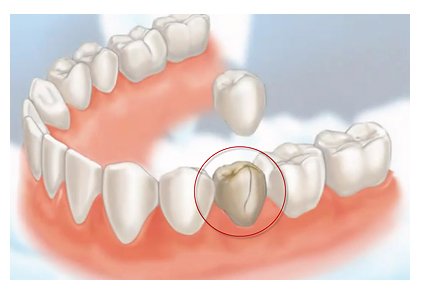
- A cracked or chipped crown that you can feel with your tongue or see visually.
- A loose or wobbly crown — this suggests the cement seal has broken down.
- Dark lines or discolouration at the gumline (common with older PFM crowns).
- Gum recession around the crowned tooth, which exposes the margin to decay risk.
- Recurrent decay detected on X-ray beneath or around the crown.
If you notice any of these signs, do not wait. Contact your dentist promptly to have the crown assessed. In some situations, a loose or damaged crown may qualify as a dental emergency, and same-day care may be available through walk-in dental care in Calgary NW.
How to Make Your Dental Crown Last Longer
There is no single secret to extending the life of a dental crown — it comes down to consistent, good habits and keeping up with your dental appointments. Here is a practical summary:
- Attend check-up and cleaning appointments every six months.
- Wear a night guard if you grind or clench your teeth.
- Maintain a thorough daily brushing and flossing routine.
- Avoid chewing ice, hard nuts, hard lollies, or other very hard foods.
- Report any sensitivity, pain, or looseness to your dentist promptly.
- Have digital X-rays taken regularly to monitor the health of the tooth beneath the crown.
When a Crown Cannot Be Saved
In some cases, the tooth beneath the crown becomes too severely decayed or fractured to support a new restoration. When this happens, your dentist will discuss your options, which may include a dental implant or a dental bridge to replace the tooth and restore your bite. Your dentist will always discuss all available options with you so you can make an informed decision.
Book a Crown Assessment at Expressions Dental Calgary NW
Whether you have an existing crown that needs checking, or you are considering a new crown for a damaged or weakened tooth, the experienced team at Expressions Dental in Calgary NW is here to help. We offer comprehensive examinations, digital X-rays, and personalised treatment plans to keep your restorations lasting as long as possible.
Call us or book your appointment online at expressionsdental.ca — we welcome new patients and families across Calgary NW.
Frequently Asked Questions
How long do dental crowns last on average?
Most dental crowns last between 10 and 15 years, with many lasting 20 years or more when properly cared for. Zirconia and gold crowns tend to have the longest lifespans, while all-porcelain crowns may be more susceptible to chipping under heavy biting forces. Regular dental check-ups and good oral hygiene are the most reliable ways to extend your crown's life.
What is the longest-lasting type of dental crown?
Gold and metal alloy crowns have historically offered the greatest longevity, sometimes lasting more than 20 years. Zirconia crowns are now considered equally durable and are a popular modern alternative because they also look natural. Your dentist will recommend the best material based on the tooth's location and your individual bite.
Can a dental crown fall off, and what should I do if it does?
Yes, a crown can come loose if the cement seal breaks down over time or if the underlying tooth structure is compromised. If your crown falls off, keep it safe and contact your dentist as soon as possible — this is often treated as a dental emergency. In the meantime, avoid chewing on that side and keep the area clean.
Does teeth grinding shorten the life of a dental crown?
Yes, bruxism — habitual grinding or clenching — places significant stress on dental crowns and can cause premature chipping, cracking, or wear. A custom-fitted night guard is the most effective way to protect your crown if you grind your teeth. Your dentist can assess whether you show signs of bruxism and recommend an appropriate guard.
How do I know if my dental crown needs to be replaced?
Signs that a crown may need replacing include sensitivity or pain when biting, a visibly cracked or chipped surface, a loose or wobbly feeling, dark lines at the gumline, or gum recession around the tooth. Regular dental check-ups and X-rays allow your dentist to identify problems before they become more serious or costly to treat.
Do I still need to brush and floss around a dental crown?
Absolutely. Although the crown itself cannot decay, the natural tooth structure beneath it can. Plaque and bacteria that accumulate at the margin where the crown meets the tooth can cause decay in the remaining tooth, which may ultimately compromise the crown. Brush twice daily, floss carefully around the crown, and attend regular professional cleanings to keep the area healthy.
How much does it cost to replace a dental crown in Calgary?
Crown costs in Calgary vary depending on the material used, the complexity of the case, and your dental insurance coverage. At Expressions Dental, we provide transparent fee information and offer direct billing to most insurance plans. Visit our <a href="https://expressionsdental.ca/our-fees/">dental fees page</a> or contact our team for a personalised estimate.